
Blog / Used Car Buying Tips

What's a Good Interest Rate on a Used Car?

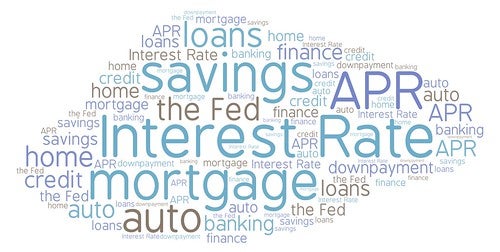
Interest and financing word cloud for used car interest rates

Interest rates vary by industry. Home loans have interest rates between 2.5-5% or more. Many department stores offer introductory rates with zero interest for the first six months, up to several years. You'll find rates fall anywhere from zero up to 15% or more in the auto industry depending on whether you're buying new or used. 

So what qualifies as a reasonable interest rate on a used car? This simple question has a more complicated answer than you may have thought. Let's take a closer look at what interest rates are, how they get set, and how you qualify for the lowest possible rate.

What Is an Interest Rate?

Image via Flickr by scootergenius02

Lenders define their interest rates as the amount charged a person to borrow money per period (usually a year) and calculated as a proportion of the total amount borrowed. Lenders express interest rates as a percentage of the entire loan. Over the life of a loan, the total amount of interest paid depends upon the total amount borrowed, the interest rate itself, the compounding frequency, and the length of the loan.

In simpler terms, interest equates to the price you pay for the privilege of using someone else's money. You aren't always on the paying side. You may have a savings account or IRA that earns interest for you. That's the fee you earn from the bank for allowing them to hold your money.

How Does an Interest Rate Work?

A simple interest loan formula looks like this: Amount Borrowed x .

So if you borrow $20,000 at an interest rate of 5% and a term of 5 years solving the formula looks like this: 

  1. 20,000 x [1+(.05x5)}
  2. 20,000 x (1+.25)
  3. 20,000 x 1.25 = 25,000

Over the life of this loan example, you'll pay $5,000 in interest. Now, if you have an interest rate of 2.5% instead of 5%, the same loan will cost you $2,500 in interest. Now you can understand how impactful an interest rate can be to the cost of a loan.

Annual Percentage Rate vs. Interest Rate?

Annual percentage rates (APR) include fees associated with the loan. The inclusion of these fees raises the APR, only slightly in most cases than the actual base interest rate. APRs provide a way to measure the overall loan cost. In the auto industry, these fees can include sales tax, paperwork charges, and title costs. The formula to calculate the APR looks like this: 

  1. Add the total interest paid over the life of the loan to the total fees.
  2. Divide that total by the amount borrowed.
  3. Divide that number by the number of days in the loan term.
  4. Now multiply this number by 365.
  5. Multiply the result by 100.

Using the above 5% loan with $1,000 in fees the solve looks like this: 

  1. 5,000 + 1,000 = 6,000
  2. 6,000 / 20,000 = .3
  3. .3 / 1,825 = .00016438
  4. .00016438 x 365 = .06
  5. .06 x 100 = 6

The APR for this loan comes to 6%, slightly higher than the actual interest rate of 5%. When shopping for loans, it's essential to look at both the interest rate and the APR. The APR gives you the total cost of your loan, including fees.

What Affects My Interest Rate?

Many things affect your interest rate, but the number one factor will always be your credit score. The better or higher your credit score, the better or the lower rate you will qualify for from the credit companies. 

Credit scores get separated into five categories: Super Prime, Prime, Non Prime, Sub Prime, and Deep Sub Prime. If you have a Super Prime credit score of 720 or higher, you will qualify for the best interest rates. Conversely, if you have a Deep Sub Prime credit score of 579 or lower, your interest rate will be much higher, or you might not even get approval for a loan. 

It's important to understand that when you see a loan rate advertised, that rate correlates to Super Prime credit scores. The length or term of the loan also impacts your interest rate. The shorter the term, the lower the rate becomes.

How Can I Get a Better Interest Rate?

The first step would be to check your credit report. You can get a free credit report every year, and if you don't already check this report, you should start now. Examine your report for discrepancies that happen more often than you might expect. You can take steps with the credit reporting agencies to correct these discrepancies and improve your credit score.

Your debt to income ratio impacts your creditworthiness too. This ratio reflects the amount you owe versus the amount you earn annually. You might be better off waiting a year and paying down your debt before taking on a used car loan if you can.

Paying your fees upfront rather than financing them will lower your APR. If you can, negotiate these fees down and pull them out of the loan to save money in the long run.

Average Rates on New and Used Car Loans

Interest rates fluctuate daily as a result of market influences in our economy. You should check the current rates with your bank or credit union, local car dealerships, and national credit institutions to get real-time rates when you're ready to purchase a vehicle.

You can expect an interest rate as low as 2% on a new car loan and 3-5% on a used car loan from many lenders if you have a Super Prime credit score. These rates climb as your credit score drops, so keeping your credit score high will help you secure the best possible rate. 

Many car dealerships offer in-house financing, meaning the dealership loans you the money. This in-house financing allows them to write loans at whatever rates they choose, but you can expect them to stay close to market averages. 

Apply for Used Car Loans Online in Grand Forks

At Rydell Outlet Center, we understand the need to stay within your budget. Our finance department are experts at identifying the best loans to fit your budget. We have relationships with local and national lenders that we leverage on your behalf. You'll always get a fair and honest price on a used car from us, and our comfortable loan process will have you approved without worry.

We encourage you to take advantage of our convenient online pre-approval application. Or, contact us to speak with one of our finance experts to discuss the different options available to you.
Posted in:

Related Posts

A jar of coins labelled "CAR"

How much car can I afford for $300 a month?

Purchasing a vehicle can be exciting and nerve-wracking at the same time. While it's fun to pick out a vehicle to fit your needs, dealing with financing or trade-in values can also be daunting. If you take some time on the front-end of vehicle ownership to get an estimate of your trade-in and figure out the amount of financing you can afford, the process can be a lot smoother. When it's time to start shopping, how do you know how much car you can afford for $300 per month? more How Much Can You Afford? Image via Flickr by Raisin - Finance Stock Images via CC BY 2.0 One of the most important factors of owning a vehicle is knowing how much you can afford before purchasing anything. You need to consider factors such as insurance coverage, fuel costs, and the expense of any future repairs when budgeting for a vehicle purchase. There's more to just the price tag in the vehicle window when it comes to financing a vehicle. Do you have money for a down payment or a vehicle to trade in to lower the overall amount you need to finance? Are you able to pay for tax, title, and licensing upfront, or do you need to roll those expenses into the loan? These are all aspects of the car-buying experience that help determine how much you can afford to borrow. Consider Your Salary The primary deciding factor in how much you can afford for a car payment is your take-home pay. When looking at the car payment itself, experts recommend that you keep a new car payment at no more than 15% of your take-home pay, while a used car should be no more than 10%. Once you add in expenses such as fuel, maintenance, and insurance premiums, you don't want to exceed 20% of your take-home pay with either a used or new vehicle. Your salary will also be considered by any private lenders or dealership financing in order to receive approval for financing. Lenders look at your debt-to-income ratio, which compares what your income is versus your monthly expenses. Most lenders prefer a DTI of no more than 45%, although some will work with you if you're as high as 50%. Use a Car Loan Calculator Before stepping foot onto the dealer's lot, you should run your information through a car loan calculator so that you know how much you can afford. To get an accurate estimate, you need to: Get a copy of your credit report and credit score. A higher credit score means a lower interest rate with most lenders. Contact several lenders to get pre-qualified to compare interest rates to determine the average interest rate you could be offered. If you pre-qualify within a two-week period with several lenders, it will only count as one hard inquiry. Use an online car loan calculator to estimate payments using the average interest rate, desired repayment term, and car price. Determine Insurance and Fuel Costs Insurance premiums vary by vehicle type and individual drivers. If you already have car insurance, you can contact your agent to run vehicles you're interested in to see what the going insurance rate would be. You may also want to take this time to reach out to several insurance agents for quotes so that you can compare the bottom line of your insurance costs and get the best deal. Factors that affect your insurance costs include: Driving record. Daily mileage and usage. Where you live. How old you are. Your gender. Credit history. Qualifying discounts. Type of coverage. Amount of coverage. Selected deductibles. You can also research the average fuel economy of vehicles you're considering. Think about how many miles you drive to work or school each day, as well as what type of driving it is. Do you drive more in the city or on the highway? Fuel economy varies based on whether you're doing a lot of starting and stopping or rolling down the road at a steady speed. Take the average miles per gallon of the vehicles you're looking at and figure out how much fuel you will use per month, then multiply that by the average gas prices in your area. This will provide you with an estimate of fuel expenses per month. Consider Future Repairs Another factor you'll want to consider is the expense of any future repairs, such as replacing a battery or tires or fixing the brake pads and rotors. Research the average costs of parts and service on any vehicles you're considering as possible purchases to compare the costs. Depending on the make, model, and year, repair and maintenance expenses can vary quite a bit from one vehicle to another. While these expenses aren't upfront costs, you need to plan for basic repairs and maintenance for any vehicle, no matter how new. Be Realistic Purchasing a vehicle can be an exciting experience, and finding the car of your dreams with all the features you desire can make anyone smile. Be realistic when considering your budget because a vehicle isn't worth the car payment if you can't afford to drive it or maintain it. Don't push your budget to the last penny. It's better to have a little more to put toward repairs, maintenance, or even eating out or catching a movie at the cinema than to have to push it to make ends meet each month for your car payment. How Much Car Can You Afford for $300 a Month? If you've used a car loan calculator, added in for fuel, maintenance, and insurance, and find that you can realistically afford $300 per month for your car expenses, it's time to look at what type of car that will get you. Depending on your credit score, you're looking at a quality used vehicle between $8,000 and $12,000. Rydell Outlet offers a wide selection of vehicles in this price range and can work with you to get financing, even if you have bad or no credit. Whether you're looking for a family-friendly vehicle like a Honda Odyssey, a fuel-efficient model like a Nissan Versa, or a work-ready truck such as a GMC Sierra 1500, we've got you covered. You can even buy your used car online and have it delivered to your home with Rydell Delivers. Check out our inventory online or stop in today! Contact a Rydell team member for more information.

Is it easier to finance a new or used car with bad credit?

If you're getting ready to purchase a new or used car, you might be wondering about the steps you'll take next. Hunting for your next car is exciting, and maybe you've already started looking around, deciding what type you want. However, if your credit is not so good, that might be pressing on your mind. You might be wondering how bad credit could affect your credit and your purchase. Will you still have options to pursue buying a vehicle? Financing a car with bad credit in Grand Forks, North Dakota, has its challenges, but it's still possible with the right plan. Here are tips to help you purchase a car in the Grand Forks area if you have bad credit. more What Is Considered Bad Credit? Before you start worrying too much, it's helpful to know what's considered bad credit for an auto loan. Here's a breakdown of Experian's credit score ratings: 300-579: Poor 580-669: Fair 670-739: Good 740-799: Very Good 800-850: Exceptional Every institution has its own guidelines for determining what type of credit score they want in order to give you a loan. Most auto lenders want you to have a score of 660 or above — at least if you want the best interest rates. In fact, even a score below 700 may require explaining any negative marks on your record. That doesn't mean you can't get a loan with a lower score, but it will cost you more interest and a higher monthly payment. What Impacts My Credit Score? Five main factors go into determining your credit score. These are: Payment History: Do you pay on time? Length of Credit: Have you had your credit long, or are you just getting started? Amount of Debt: Do you use most of your credit, or is your credit utilization ratio below 30%? Credit Diversity: Do you have a variety of credit, such as credit card, mortgage, personal loan, car loan, and so on? This only accounts for 10% of your overall credit score. New Credit: Have you been opening many new credit lines lately, or have you had a lot of hard inquiries on your credit? This accounts for 10% of your overall score. Financing a Used Vs. New Car With Bad Credit Image via Flickr by Crown Star Images via CC BY 2.0 If you have a lower credit score, the process for purchasing a vehicle will be slightly different from what it is with a good score. The auto dealer will search for lenders who are willing to work with your credit situation. Next, the lender will let the dealer know how much they will loan you, giving you an idea of the monthly payment. Once you have this information, you can look for vehicles that fit this parameter. Of course, your options will be limited based on the total amount you are able to borrow. Also, if you decide you want a 36-month loan term instead of a 60- or 72-month agreement, your monthly payment will be higher. This could affect your decision about financing a used vs. new car. Used cars will cost less, so you'll have more options, making them a great choice if you have bad credit. Another benefit of financing a used vs. new car with bad credit is that your monthly payment will also be lower. This makes the loan payments more manageable for you as you work to build up your credit score. Some people might be hesitant at first about purchasing a used car, but you might be able to find a used vehicle that has low mileage and very little wear and tear. Also, even a car that's only one or two years old will cost significantly less than a brand-new one. Cars depreciate the minute they are driven off the car lot. So, you can expect to see substantial savings with a used car. Other Steps to Take if You Have Bad Credit You can take other steps if you know your credit score is bad. For one thing, putting a large down payment on a used car will help. It will reduce your overall costs, and it will show lenders you're responsible enough to have some money put away. Your monthly loan payment will be lower, making you less of a risk to lenders. Make sure you work with an auto dealership that's able to offer you financing even if you have bad credit. You shouldn't have to pay added fees or hidden costs to finance a used car if you're dealing with a reputable used car dealership. Some dealerships even specialize in helping people get another vehicle even when they've had issues with their credit. Finally, you could always consider getting a cosigner for the loan. A cosigner is someone who agrees to take responsibility for the loan if you default on it. This would have to be someone you are close to and someone who trusts that you will repay the loan. Having a cosigner can help increase your score — just make sure you use someone with stellar credit. Keep in mind that a cosigner is not a co-owner of the car, so you'll have full rights and ownership of it once it's paid off. Next Steps for Purchasing a Car Now it's time to take the next step in your journey to purchasing a car. You can save yourself some hassles by checking your own credit report to see if there are any errors on it. The credit reporting bureau allows you to pull your credit report at least once a year for free. Once you've made sure your credit report is error-free, take a ride to Rydell Outlet Center in Grand Forks and have a look at our selection of used cars. You can find many options for under $10,000. Whether you're looking for a car, truck, or SUV, check out financing a used vehicle. Get in touch with a car sales associate at Rydell Outlet Center to discuss financing a car if you have bad credit. We're here to do business with you today!

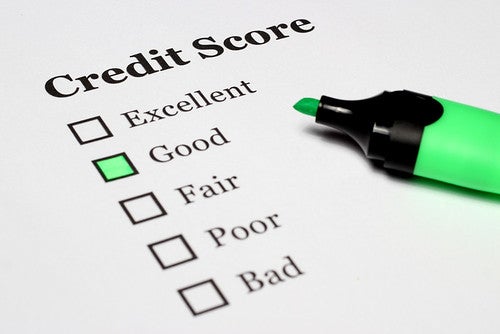
Green highlighter that colored in a multiple choice option for "Good" under a heading "Credit Score"

Can I get a car with a 500 credit score?

Yes, a 500 credit score will still qualify you for a car loan. However, credit scores affect the types of loans you are eligible for, as well as interest rates, loan amounts, and more. If you have a credit score that needs improving, it won't stop you from getting a car loan, only the terms. Let's take a closer look at how low credit scores impact your loan, what you can do to improve your credit quickly, and what you'll need to do to get a loan even with less than perfect credit. more How Do Credit Bureaus Calculate Credit Scores? Image via Flickr by cafecredit via CC BY 2.0 You must first understand that to improve your credit, you must understand that credit agencies calculate your credit score using an algorithm. This algorithm factors your income, current debt, available credit, payment history, and more to determine your credit score. Lenders use your credit score as the basis for calculating the potential you represent to pay a loan in full and on time. Borrowers with a lower credit score represent a higher risk of on-time car payments. Therefore, borrowers with lower scores incur higher interest rates to offset the lender's risk. Credit scores fall within the range of 300 to 850 points. The credit bureaus refer to scores ranging from 300 to 579 points as Poor, a rating that 16% of Americans tend to have. With a credit score between 580 and 669 points, you have a Fair credit score, as do 17% of Americans. Meanwhile, 21% of Americans have a Good credit score within 670 and 739 points, while 25% have a Very Good credit score between 740 and 799 points. Finally, those with a score of 800 points or higher have an Excellent credit rating. Improve Your Credit Score Americans tend to have an average score of 710. That said, over 20% of all auto loans are extended to those with credit scores under 600. So if you have no credit or poor credit, you might not have to do much to improve your score and get a car loan. Experts recommend checking your credit score often. Creditors report to the bureaus every month, which means your score changes every month. If you continue to make payments on time, your score will rise. Conversely, if you have late payments or other derogatory marks against you, your score will drop. Often, people have errors on their credit reports for instances that don't belong to them. Disputing these errors and getting them removed will quickly raise your credit score. Your debt to income ratio factors into your score. Financial advisors recommend keeping your debt to income ratio below 30%. That means if you have an annual income of $40,000 you should carry no more than $12,000 in debt. In this situation, if you could get your debt down to $8,000 you'd have a 20% ratio which can raise your credit score considerably. For instance, if you were to receive a $4,000 tax refund in April, you can pay down your debt to increase your credit score rather than spend it on a new television and living room furniture. A higher credit score can lower your interest rate on a car loan saving you thousands of dollars each year. Another trick financial experts suggest is to get another credit card, which sounds counter-intuitive, but actually works. Your available credit also factors into your credit score. If you have little or no available credit, this lowers your credit score. Getting another credit card will increase your available credit and increase your credit score. Hard credit inquiries have a temporary negative impact on your credit score, so applying for a credit card will lower your score in the near term. Most of these inquiries fall off your report within months, but some take over a year. Hence, if you want a quick credit score increase, adding a new card might not help. Get Pre-Qualified for a Loan Getting pre-qualified for a loan only requires a soft credit inquiry, which means you can shop around for loans and get competing offers without impacting your score. It would help if you shopped for a loan like you would anything else you consider buying. You wouldn't pay full price for a pair of pants when you can get them somewhere else at 50% off. Why would you pay more for a car loan? Shopping around for the best rates only makes good financial sense. At Rydell Outlet Center, you can quickly get pre-approved for a loan using our online financing application. Then, in minutes, you'll have your answer and can begin shopping for your dream car, truck, or SUV. Consider Getting a Co-Signer Getting a relative or friend to co-sign for your car loan can save you money. If you have no credit history, a co-signer might be necessary. A co-signer will put their creditworthiness to work on your behalf because they will be responsible should you fail to repay the loan. In addition, by getting a co-signer, you may qualify for a larger loan, giving you more buying power. Speak with Our Finance Department Our finance managers are experts at finding loans that fit your budget regardless of your credit. We've cultivated relationships with many local North Dakota and Minnesota lenders. Many have programs in place to support buyers with little or no credit. We leverage these relationships every day to get our customers a loan that works. After a quick assessment of your financial situation, our team will determine which loans work best for you. Then, we'll give you several loans to choose from, giving you the information to make the best decision. At Rydell Outlet Center, we understand your credit score doesn't necessarily reflect your commitment to paying your bills. Things can happen in life, like losing a job or medical situations arise. These events can negatively impact your score, but we believe everyone deserves the right to own a car. We invite you to contact our finance department online or stop by to discuss your situation. Our team of experts can find you a loan that makes sense for your situation and get you behind the wheel of that car, truck, or SUV you've always wanted.