Blog / Grand Forks Used Cars

At what mileage should I trade in my car?

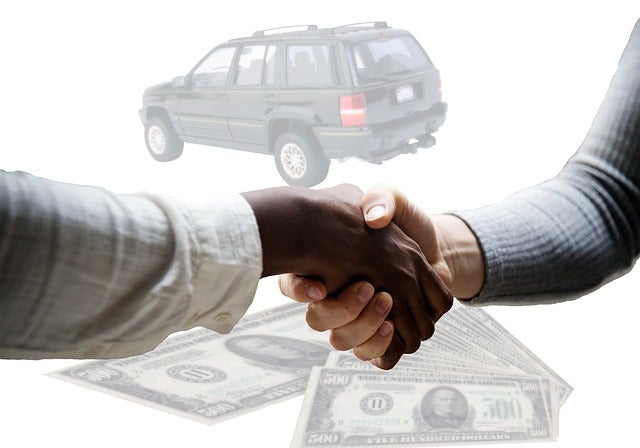
2 people shaking hands with a car and dollar bills in the background

When you purchase a vehicle and drive it off the lot, the value will depreciate slightly. As time goes on and mileage increases, the vehicle will continue to depreciate, making it worth even less. If you think you might want to trade it in again, choose an optimal time. That way, you increase your potential trade-in value. There is no exact mileage number that will make or break your vehicle's trade-in value — but if it's possible, you should trade your vehicle in before it reaches 100,000 miles. 

At Rydell Outlet Center, we have a sell/trade program available for customers just like you. If you are considering a new car and aren't sure what to do with your old one, let us help. We do not only accept trade-in vehicles - we also buy cars. You can sell us your vehicle outright to use for cash without the need to purchase another one. Use our Kelley Blue Book Valuation tool and find out what your vehicle is worth today. 

If you aren't ready just yet to sell or trade your vehicle in, here are some helpful tips on what mileage points you should consider when trading it in. 

Trading Your Vehicle In Based on Mileage 

There is no secret number on the odometer that will make or break the value of your vehicle. Some vehicles automatically carry higher resale value than others. That means a higher mileage on those vehicles might not change the trade-in value significantly. A good rule of thumb is to consider your vehicle's value will drop every 10,000 miles more you put on it. You can also use the mileage to track important milestones that can affect your decision on when to trade in your car. 

The first is the window between 30,000 and 40,000 miles. This point is often when the first set of bigger repairs occur. Bumper-to-bumper warranties typically expire around this period too. Many new car warranties expire at the three-year or 36,000-mile mark, whichever occurs first. During your first repairs, you may need to replace items like brakes or tires. You could spend over $300. However, dealers may offer you more for your vehicle if it's in excellent condition and doesn't require any major repairs. 

The second milestone to be mindful of is 60,000 to 70,000 miles. You can expect tires and brakes to need replacing during this time as well. Your car may need other maintenance services too, and you may be looking at a new battery. The value of your trade-in during this period will also depend on the age of your vehicle. Many vehicles that have reached 60,000 or more miles are at least five years old. Your vehicle could have already taken a major hit in depreciation. 

The third major milestone is when your vehicle's odometer hits 100,000 miles. While many newer cars can easily last well beyond the 100,000-mile mark, the truth is that depreciation often hurts the value of your vehicle at this point. Cars which have traveled 100,000 miles or more may not be eligible for dealers' certified pre-owned program. Hence, its value may decrease further. 

The make, model, and year of your vehicle are important for a vehicle that has logged 100,000 miles or more. If your vehicle is newer and you racked up high mileages, it may still have some significant value.  To know for certain, you can check our Kelley Blue Book Valuation tool or talk to one of our staff members. You might be surprised at how much value your car still has. 

COVID-19 and Used Car Prices 

The pandemic actually caused used car prices to increase. Initially, there was a decrease in the number of used vehicles being sold. However, by the end of 2020, prices were on the rise. This is important for those looking to trade in or sell their vehicle. You could have the unique opportunity right now to trade your vehicle in for a higher price than normal if prices continue to trend upward. 

The reason for the increase in prices may be due to people wanting to skip public transportation and drive their own car given the health crisis. Interest rates have also remained low, enticing other buyers to get a new vehicle. Meanwhile, the demand for a used vehicle is higher than before, possibly because people are concerned about financial stability given the pandemic's effect on the global economy. 

Trading In Your Vehicle Versus Selling It 

Image via Pixabay by Tumisu

Some people question why they should trade a vehicle in when they can sell it for more on their own. When we purchase a vehicle, we have to consider additional costs, such as advertising and reconditioning costs. While you may make a little more money by selling it yourself, it can also prove to be more costly and time consuming. 

You will need to spend considerable time and resources to market the vehicle on your own. You need to increase the vehicle's visual appeal. Then, you have to advertise it and be present to show the vehicle to prospective buyers. You then have to where to show the car and whether you would let people meet with you at your home.

You also have to protect yourself from possible scammers. Some people who contact private car sellers may end up being fake buyers and even attempt to steal the car. And while there are ways to ensure that the prospective buyer is credible, this would usually require a lot of extra work on your part.

For these reasons, trading in your vehicle or selling it to the dealer is easier. Your time alone may be worth more than the little extra money you would receive from a private sale. You get to trade the vehicle in and be done with the process immediately. 

At Rydell Outlet, we will give you top dollar for your vehicle. You can choose to receive cash or a check right there on the spot. Rather than spend weeks or months dealing with selling your car, we can complete the process in 30 minutes or less in most cases. We will come to you if you don't want to bring your vehicle in. We can even facilitate an estate sale. To learn more, visit our website and contact us with any questions. 
Posted in:

Related Posts

Rydell Auto Outlet car lot

Questions to ask when buying a used car

It's important to learn as much as you can about a vehicle before you buy it. You're spending a lot of money and you want to ensure there are no surprises when you drive off the lot. To that end, below are some questions you should ask when buying a used car. These questions will help you learn all of the important information about a vehicle so that you feel comfortable with your decision. more What Is the Ownership History? One of the first things you should ask about is the ownership history of the vehicle. There are a few things you'll want to look for within the ownership history. First, you should look at how long the last owner had the vehicle. If the previous owner only had the vehicle for a short time, this could be a sign that they were unhappy with the vehicle for some reason. Review how many owners there have been. If there are several owners over a short period of time, this could indicate that each owner had issues with the vehicle. Finally, look at who the previous owners were. Specifically, you're looking for whether the previous owner was an individual or a rental agency. If it was a rental agency, this means that the vehicle was driven by many different people who may not have taken proper care of it. While not always the case, generally speaking, it's preferable to buy a used vehicle that comes from an individual owner rather than a rental agency. What Is the Vehicle's Service History? Ask about the service history of the vehicle. The service history can tell you whether the previous owners took proper care of the car. You want to ensure that the vehicle received regular maintenance such as oil changes as well as new tires and new brake pads. Check the service history to see if the vehicle had any major repairs. An older vehicle with a new transmission suggests you don't need to worry about replacing the transmission during your ownership. Most used car dealerships can provide you with service history for any of their vehicles. What is the Vehicle's Accident History? Be sure to ask about the accident history of the vehicle. If a car gets into an accident, it can cause some significant long-term damage. A car may look great from the outside but still have issues with the interior. With an accident history, you can ensure that there are no underlying issues with the vehicle before you purchase it, or at least know about the issues so that you can factor them into how much you're willing to pay. As with service history, used car dealerships should have full accident reports for all of their vehicles. Are There Any Components That Don't Work As They Should? This is a great question to ask from the start. You don't want to drive away with your new purchase only to realize something isn't quite right with your vehicle. For example, maybe some of the buttons on the dashboard don't work or the seat adjustment lever is broken. While small issues like this may not deter you from purchasing the vehicle, you'll still want to know about them before you do. You may also be able to ask the owner to repair the issue before selling you the vehicle, thereby saving yourself some trouble. How Did You Arrive at the Selling Price? When buying a car, you want to ensure that you're paying a fair price. A good way to do this is to learn how the seller arrived at their price. If they are able to show you the math they used to arrive at the number, you can better determine if that number is reasonable. For example, a used car dealership may show you the Kelly Blue Book value of the vehicle and how they used it to determine their selling price. While any good car dealership will use a vehicle's actual value, along with their own fees and profit margin, to determine a price, learning the math behind it can help you feel more at ease that you're not being misled into paying more. Can I Have the Car Inspected by My Own Mechanic? Many car buyers do not have extensive knowledge of how vehicles operate. Therefore, when they go to look at a new car, they can't really tell if it's in good condition or not. To help them feel more comfortable that everything under the hood is in working condition, they want an expert of their own to inspect the vehicle. If this sounds like you, ask the car owner if you can have your own mechanic inspect the vehicle. Many private owners and dealerships are happy to work something out so that you feel better about your purchase. Is the Vehicle Currently Covered by Any Warranties? If the used vehicle was made within the past few years or has relatively low miles on it, it may still be covered by some warranties. For example, some warranties cover transmission issues for 10 years or 10,000 miles. By learning, if there are any current warranties in place on the vehicle, you'll know if you have any extra protection. Warranties are more common on certified pre-owned vehicles, but you may find them on other used vehicles as well. Get Your Next Used Vehicle from Rydell Outlet Center It's important to ask plenty of questions whenever you're shopping for a used vehicle. Just as important, though, is to shop from someone who can answer your questions thoroughly. To get answers to all of the above questions during your next quest for a used vehicle, come to Rydell Outlet Center. We have a wide selection of used vehicles available, with new ones coming in all the time. Our team would be happy to answer any questions you may have and help you find the perfect vehicle for your needs. To get started, please contact us today or stop by our dealership at any time.

How much is a used car warranty?

If you're looking for a used car, you might be wondering if a used car warranty is something you should consider when getting that pre-owned model.  While many prove to be reliable for years, high-mileage used cars are prone to repairs and breakdowns because of aging, defects concealed at the time of purchase, improper maintenance by previous vehicle owners, and aging. more Used car warranties go a long way in creating peace of mind, especially if you're on a tight budget. There's comfort in knowing that you're covered if a costly repair pops up. Below, we discuss everything you need to know about protecting your automobile through an extended used car warranty. What Is a Used Car Warranty? Image via Flickr by mikecogh CC by 2.0 A used car warranty also referred to as an extended vehicle warranty, is a vehicle service contract that promises to pay for the cost of some auto repairs. These warranties work similarly to the Original Equipment Manufacturer's warranty. However, most new auto limited warranties expire three and five years after an automobile's original in-service date. After this time, most drivers have to cover damages caused by parts defects or craft faults on their own. Extended car warranty plans come into play here. With coverage, some car components will benefit from prolonged protection against faulty parts or craft flaws. Extended warranties also come with some perks like towing benefits and roadside assistance. Combining all of these, drivers often have peace of mind on the road, despite the car's age and mileage. From full coverage to just the essentials, here's a rundown of the types of used car extended warranties available: Bumper-to-Bumper: This is the most comprehensive and expensive level of vehicle warranty coverage that promises cover repairs for most car parts and systems in case of a mechanical breakdown. Stated-Component: This warranty protects car owners from repair costs for every part and the system listed in the contract. Powertrain: A powertrain warranty provides coverage for essential systems the vehicle needs to function, including the engine, transmission, and related components. If you want to make sure your ride remains in tip-top shape for years to come, a bumper-to-bumper warranty would be your best bet. On the flip side, if you're only worried about your used car's essential systems, you might want to prioritize powertrain coverage. Extended warranties are generally offered by the manufacturer, dealership, or dealer. How Does a Used Car Warranty Work? An extended auto warranty works similarly to an insurance plan for your vehicle. You cover a small, up-front payment monthly. Your warranty usually goes into effect after a four-week waiting period, and it protects you from unforeseen repairs, which can be expensive and ruin your budget. Here's how a used car service plan works when you want to file a claim: When your vehicle needs repair, put together your warranty documentation and get an estimated cost for the repair. Next, contact the warranty provider to confirm that the repair you need is covered. Then, take your car in for repair to an approved service cente r. Your warranty provider may pay your mechanic directly or reimburse you for the expense. What Is the Average Cost of a Used Car Warranty? The average cost of an extended car warranty is $2,800. Pricing varies depending on your car and the level of coverage you need. Most vehicle owners pay approximately $600 to $1,000 annually for extended warranty coverage. Factors contributing to an extended auto warranty cost include: The mileage and age of your car: The older a vehicle is, the more likely it's to break down, making it more expensive to cover. The model and make of your car: The more expensive your automobile is, the more costly it is to cover parts. The plan you pick: An exclusionary plan that covers almost all vehicle parts will generally be pricier than a basic powertrain plan. Carefully consider the levels of coverage available to you. Your location: You might be given higher or lower rates depending on where you reside. While there are other potential factors, these four main ones will ultimately determine your overall extended car warranty cost. What Does your Used Car Warranty Cover? Most basic used car warranties provide coverage for your transmission and engine components that require lubrication since these parts need regular service to keep your ride running smoothly. There're different coverage tiers, too, so be sure to go over the fine print and find the warranty that's the best fit for your particular needs. The following is an example of items covered under an extended warranty: Electrical components. Steering system. Drivetrain. Engine assembly. Exhaust systems. Transmission. Heating and cooling assembly. Alternators, manifolds, pumps. Extended warranties aren't meant to cover regular maintenance or body damage. Most plans and policies exclude items like: Routine maintenance. Fluid replacement. Brake pads/brake shoes. Tires. Spark plugs. Wheel balancing. Filters. Scratches, dents, paint chips. Body damage. Advantages of Extended Warranties on Used Cars A certified dealership like Rydell Outlet Center can pass all its advantages to you, so it's better to deal with them. Under this warranty, most repairs are made by the dealership without any deductible expenses. The notable benefits of this warranty include: Any repair shop can do vehicle repairs so long as they are certified by the National Institute for Automotive Service Excellence, including dealerships. Coverage from third-party warranty providers is often less costly than manufacturer warranties. If you love your used vehicle and want to keep it for many years, an extended warranty will help you do that by covering maintenance costs that may otherwise encourage you to sell it. Plans add perks such as trip interruption coverage, roadside assistance, and rental car reimbursement. You get peace of mind on the road as it protects you against bank-breaking bills. While original equipment manufacturer's warranties cannot be customized, extended car warranties offer the flexibility to remove or add items to create a warranty that's a good fit for your budget and. When purchasing a used car that you want to protect for many miles, it's wise to consider an extended auto warranty. Rydell Outlet Center in Grand Forks, North Dakota, offers a range of extended warranties on used cars. Don't hesitate to contact us if you have any questions. Without using high-pressure tactics, our friendly team of experts will give you unbiased, straightforward information on available warranty products and allow you to decide whether they're a good fit for you.

Should I sell my car or trade it in?

When you're getting ready to upgrade to a new vehicle, one of the most important questions you'll face is what to do with the car you're no longer using. If you don't plan to keep it, you'll typically opt to sell it yourself or trade it in at a dealership. Which option is better? Read on to find out. more Selling Your Car: How It Works Image via Flickr by Robert Couse-Baker via CC BY 2.0 If you choose to sell your car independently, you'll need to carefully manage the entire process. Before listing your car, you must gather all the necessary documentation, including the title, service records, and previous sales paperwork. It also helps to get a vehicle history report so prospective buyers know exactly what they're dealing with. Next, you'll need to thoroughly clean the vehicle inside and out. When you're acting as the car salesperson, it's important to make sure your car looks and smells as good as anything the buyer can find on a car lot. You may want to invest in a professional detailing service. Once your vehicle is in top shape, you can begin researching its sales price. You may want to take your car to a mechanic for a full diagnostic so you can accurately assess the condition. Getting a report from the mechanic is also handy, so you can use this to verify the value of the vehicle when you're pitching the sale to potential buyers. Ideally, you could list your car at its estimated Kelley Blue Book value and leave it at that, but there are other factors you'll need to take into consideration as well. Look up similar cars in your area and see what they're going for, so you can make sure you're choosing a competitive price. Once you know what you're asking for the vehicle, you're finally ready to list it. Online listings are the preferred method for most individuals today. Once the listing is up, you'll begin fielding offers and setting up appointments for prospective buyers to meet with you, negotiate on the price, and take a look at the vehicle in person. The Pros and Cons of Selling Your Vehicle Selling your vehicle independently will typically yield a higher price than trading it in. This is the primary advantage of taking this route. You can compare the anticipated sale value for your car with a dealership's offer for the vehicle as a trade-in for a more detailed assessment of just how much you stand to gain. The increased profit from the sale should be enough to compensate you for the challenges associated with selling the car. As you can see from the section above, it takes a significant amount of time, energy, and work to sell a vehicle. You'll have to deal with preparing the car, listing the car, and communicating with buyers. If you're not a skilled negotiator, you may not get the price you're ultimately hoping for. Keep in mind that time is often money, and the time invested in selling your vehicle could be spent on other pursuits. Trading In Your Car: How It Works Trading in your vehicle is a fairly simple and straightforward process at most dealerships. You don't need to research your vehicle's history, take it to a mechanic, or compare it to other similar cars for sale. All of the legwork is left to the dealership. You can get your vehicle's estimated trade-in value online in just a few clicks. Bring the car into your dealership for a firm offer and more details on how to execute the trade. You will typically trade in your vehicle at the same time that you purchase a new one. This makes the process of switching cars quick and seamless. You'll leave your trade-in at the dealership and drive off in your next vehicle, with no need to find a second driver to drop you off or take care of the extra vehicle after you make your purchase. The value of the trade-in is simply deducted from the purchase price of your next vehicle. Essentially, this allows you to use your previous car as a down payment for your next one. The Pros and Cons of Trading in Your Vehicle There are many pros to trading in your vehicle. When you choose this route, you will have an instant down payment for your new car. This is ideal if you don't have cash ready to act as a down payment. If you do have additional funds for this purpose, you can simply increase the amount of your down payment. The more you put down on your vehicle, the less you'll have to finance. Since you pay interest on anything you take out a loan for, your down payment instantly reduces the final price of your vehicle. Trading in your vehicle can also reduce the amount that you'll pay in taxes. In many states, you're only taxed on the difference between the value of the trade-in and the price of your next car. Trading in your vehicle is also much faster and easier than selling it yourself. If you're selling your old car, you'll likely have to purchase a replacement first, which means you'll temporarily have two cars to deal with. If you sell your old car first, you'll be left without a vehicle until you find another one to purchase. The primary con of trading in your vehicle is that you may get a slightly lower price for it than you could command if you went to the trouble of selling it on your own. The Conclusion In most cases, it's easier and more beneficial to simply trade in your vehicle. Though there's a difference in price, you should also consider what you're saving in taxes and interest by taking out a smaller loan for your next vehicle purchase. These money-saving perks can help close some of the gap, while the simplicity and ease of the transaction will help tip the scale. If you're interested in trading in your vehicle, we offer a fast, simple process with no strings attached. Contact our team at Rydell Outlet Center today to get started on the path to your next vehicle.