Blog / Grand Forks Used Cars

Blog

All Grand Forks Used Cars Used Car Buying Tips Local Tips Things To Do in North Dakota Rydell Outlet Service Grand Forks Dealer

Tips for Maintaining Your Vehicle's Value

Your vehicle is more than just a mode of transportation; it's an investment. Whether you plan to sell it in the future or simply want to enjoy a higher resale value, maintaining your vehicle's value is essential. Regular maintenance can go a long way in preserving your vehicle's worth. more Regular Maintenance Routine maintenance is the foundation of preserving your vehicle's value. Follow the manufacturer's recommended maintenance schedule for oil changes, tire rotations, brake checks, and other vital services. Regular maintenance not only ensures your vehicle runs smoothly but also prevents costly repairs down the road. Keep Detailed Records Maintain a comprehensive record of all maintenance and repair work performed on your vehicle. This includes receipts, service records, and any upgrades or modifications made. These records not only build confidence in potential buyers but also help you stay organized and on top of your vehicle's history. Keep it Clean Regularly washing and detailing your vehicle isn't just about looks—it's about protecting the paint, interior, and overall condition. Dirt, grime, and environmental contaminants can accelerate wear and tear. Consider investing in a high-quality wax or paint sealant to protect the exterior and prevent rust. Park Smart Where and how you park your vehicle can significantly impact its value. Whenever possible, park in a garage or covered area to shield it from the elements. If parking outdoors is unavoidable, invest in a quality vehicle cover to protect against harsh weather conditions and sun damage. Watch Your Mileage While it's impossible to avoid putting miles on your vehicle entirely, be mindful of excessive driving. High mileage can significantly decrease a vehicle's resale value. Consider carpooling or combining errands to reduce the wear and tear on your vehicle. Avoid Modifications While personalizing your vehicle can be fun, extensive modifications can negatively impact its resale value. Potential buyers may be wary of aftermarket parts or extensive changes to the vehicle's appearance. If you plan to sell your vehicle, think twice before making significant alterations. Use Quality Parts and Fluids When it comes to maintenance and repairs, opt for high-quality replacement parts and fluids. Cheap or inferior parts may save you money in the short term, but they can lead to more significant problems and lower your vehicle's value over time. Always choose OEM (Original Equipment Manufacturer) parts when possible. Drive Responsibly Your driving habits can significantly affect your vehicle's condition and resale value. Avoid aggressive driving, sudden stops, and excessive speeding. These behaviors can lead to increased wear on your vehicle's brakes, tires, and suspension, reducing its overall value. Maintaining your vehicle's value is a smart investment that can pay off in the long run. By following these eight tips, you can keep your vehicle in top condition and ensure that it retains its worth when the time comes to sell or trade it in. Regular maintenance, proper care, and responsible driving are the keys to preserving your vehicle's value. As well as enjoying a higher resale price. Contact Us at the Rydell Auto Outlet in Grand Forks, ND for any questions or concerns you may have with your vehicle.

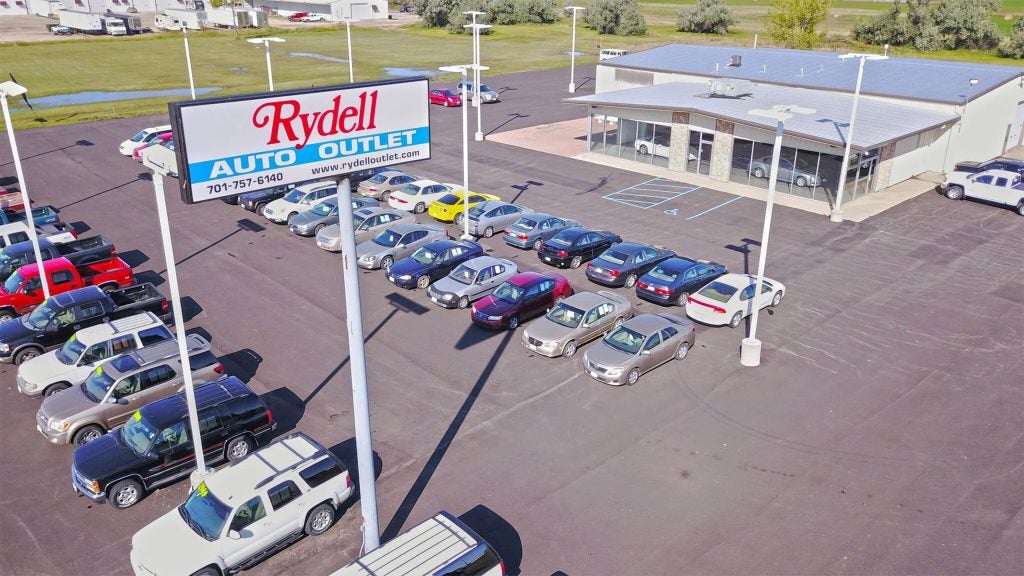
Rydell Auto Outlet car lot

Questions to ask when buying a used car

It's important to learn as much as you can about a vehicle before you buy it. You're spending a lot of money and you want to ensure there are no surprises when you drive off the lot. To that end, below are some questions you should ask when buying a used car. These questions will help you learn all of the important information about a vehicle so that you feel comfortable with your decision. more What Is the Ownership History? One of the first things you should ask about is the ownership history of the vehicle. There are a few things you'll want to look for within the ownership history. First, you should look at how long the last owner had the vehicle. If the previous owner only had the vehicle for a short time, this could be a sign that they were unhappy with the vehicle for some reason. Review how many owners there have been. If there are several owners over a short period of time, this could indicate that each owner had issues with the vehicle. Finally, look at who the previous owners were. Specifically, you're looking for whether the previous owner was an individual or a rental agency. If it was a rental agency, this means that the vehicle was driven by many different people who may not have taken proper care of it. While not always the case, generally speaking, it's preferable to buy a used vehicle that comes from an individual owner rather than a rental agency. What Is the Vehicle's Service History? Ask about the service history of the vehicle. The service history can tell you whether the previous owners took proper care of the car. You want to ensure that the vehicle received regular maintenance such as oil changes as well as new tires and new brake pads. Check the service history to see if the vehicle had any major repairs. An older vehicle with a new transmission suggests you don't need to worry about replacing the transmission during your ownership. Most used car dealerships can provide you with service history for any of their vehicles. What is the Vehicle's Accident History? Be sure to ask about the accident history of the vehicle. If a car gets into an accident, it can cause some significant long-term damage. A car may look great from the outside but still have issues with the interior. With an accident history, you can ensure that there are no underlying issues with the vehicle before you purchase it, or at least know about the issues so that you can factor them into how much you're willing to pay. As with service history, used car dealerships should have full accident reports for all of their vehicles. Are There Any Components That Don't Work As They Should? This is a great question to ask from the start. You don't want to drive away with your new purchase only to realize something isn't quite right with your vehicle. For example, maybe some of the buttons on the dashboard don't work or the seat adjustment lever is broken. While small issues like this may not deter you from purchasing the vehicle, you'll still want to know about them before you do. You may also be able to ask the owner to repair the issue before selling you the vehicle, thereby saving yourself some trouble. How Did You Arrive at the Selling Price? When buying a car, you want to ensure that you're paying a fair price. A good way to do this is to learn how the seller arrived at their price. If they are able to show you the math they used to arrive at the number, you can better determine if that number is reasonable. For example, a used car dealership may show you the Kelly Blue Book value of the vehicle and how they used it to determine their selling price. While any good car dealership will use a vehicle's actual value, along with their own fees and profit margin, to determine a price, learning the math behind it can help you feel more at ease that you're not being misled into paying more. Can I Have the Car Inspected by My Own Mechanic? Many car buyers do not have extensive knowledge of how vehicles operate. Therefore, when they go to look at a new car, they can't really tell if it's in good condition or not. To help them feel more comfortable that everything under the hood is in working condition, they want an expert of their own to inspect the vehicle. If this sounds like you, ask the car owner if you can have your own mechanic inspect the vehicle. Many private owners and dealerships are happy to work something out so that you feel better about your purchase. Is the Vehicle Currently Covered by Any Warranties? If the used vehicle was made within the past few years or has relatively low miles on it, it may still be covered by some warranties. For example, some warranties cover transmission issues for 10 years or 10,000 miles. By learning, if there are any current warranties in place on the vehicle, you'll know if you have any extra protection. Warranties are more common on certified pre-owned vehicles, but you may find them on other used vehicles as well. Get Your Next Used Vehicle from Rydell Outlet Center It's important to ask plenty of questions whenever you're shopping for a used vehicle. Just as important, though, is to shop from someone who can answer your questions thoroughly. To get answers to all of the above questions during your next quest for a used vehicle, come to Rydell Outlet Center. We have a wide selection of used vehicles available, with new ones coming in all the time. Our team would be happy to answer any questions you may have and help you find the perfect vehicle for your needs. To get started, please contact us today or stop by our dealership at any time.

How much is a used car warranty?

If you're looking for a used car, you might be wondering if a used car warranty is something you should consider when getting that pre-owned model.  While many prove to be reliable for years, high-mileage used cars are prone to repairs and breakdowns because of aging, defects concealed at the time of purchase, improper maintenance by previous vehicle owners, and aging. more Used car warranties go a long way in creating peace of mind, especially if you're on a tight budget. There's comfort in knowing that you're covered if a costly repair pops up. Below, we discuss everything you need to know about protecting your automobile through an extended used car warranty. What Is a Used Car Warranty? Image via Flickr by mikecogh CC by 2.0 A used car warranty also referred to as an extended vehicle warranty, is a vehicle service contract that promises to pay for the cost of some auto repairs. These warranties work similarly to the Original Equipment Manufacturer's warranty. However, most new auto limited warranties expire three and five years after an automobile's original in-service date. After this time, most drivers have to cover damages caused by parts defects or craft faults on their own. Extended car warranty plans come into play here. With coverage, some car components will benefit from prolonged protection against faulty parts or craft flaws. Extended warranties also come with some perks like towing benefits and roadside assistance. Combining all of these, drivers often have peace of mind on the road, despite the car's age and mileage. From full coverage to just the essentials, here's a rundown of the types of used car extended warranties available: Bumper-to-Bumper: This is the most comprehensive and expensive level of vehicle warranty coverage that promises cover repairs for most car parts and systems in case of a mechanical breakdown. Stated-Component: This warranty protects car owners from repair costs for every part and the system listed in the contract. Powertrain: A powertrain warranty provides coverage for essential systems the vehicle needs to function, including the engine, transmission, and related components. If you want to make sure your ride remains in tip-top shape for years to come, a bumper-to-bumper warranty would be your best bet. On the flip side, if you're only worried about your used car's essential systems, you might want to prioritize powertrain coverage. Extended warranties are generally offered by the manufacturer, dealership, or dealer. How Does a Used Car Warranty Work? An extended auto warranty works similarly to an insurance plan for your vehicle. You cover a small, up-front payment monthly. Your warranty usually goes into effect after a four-week waiting period, and it protects you from unforeseen repairs, which can be expensive and ruin your budget. Here's how a used car service plan works when you want to file a claim: When your vehicle needs repair, put together your warranty documentation and get an estimated cost for the repair. Next, contact the warranty provider to confirm that the repair you need is covered. Then, take your car in for repair to an approved service cente r. Your warranty provider may pay your mechanic directly or reimburse you for the expense. What Is the Average Cost of a Used Car Warranty? The average cost of an extended car warranty is $2,800. Pricing varies depending on your car and the level of coverage you need. Most vehicle owners pay approximately $600 to $1,000 annually for extended warranty coverage. Factors contributing to an extended auto warranty cost include: The mileage and age of your car: The older a vehicle is, the more likely it's to break down, making it more expensive to cover. The model and make of your car: The more expensive your automobile is, the more costly it is to cover parts. The plan you pick: An exclusionary plan that covers almost all vehicle parts will generally be pricier than a basic powertrain plan. Carefully consider the levels of coverage available to you. Your location: You might be given higher or lower rates depending on where you reside. While there are other potential factors, these four main ones will ultimately determine your overall extended car warranty cost. What Does your Used Car Warranty Cover? Most basic used car warranties provide coverage for your transmission and engine components that require lubrication since these parts need regular service to keep your ride running smoothly. There're different coverage tiers, too, so be sure to go over the fine print and find the warranty that's the best fit for your particular needs. The following is an example of items covered under an extended warranty: Electrical components. Steering system. Drivetrain. Engine assembly. Exhaust systems. Transmission. Heating and cooling assembly. Alternators, manifolds, pumps. Extended warranties aren't meant to cover regular maintenance or body damage. Most plans and policies exclude items like: Routine maintenance. Fluid replacement. Brake pads/brake shoes. Tires. Spark plugs. Wheel balancing. Filters. Scratches, dents, paint chips. Body damage. Advantages of Extended Warranties on Used Cars A certified dealership like Rydell Outlet Center can pass all its advantages to you, so it's better to deal with them. Under this warranty, most repairs are made by the dealership without any deductible expenses. The notable benefits of this warranty include: Any repair shop can do vehicle repairs so long as they are certified by the National Institute for Automotive Service Excellence, including dealerships. Coverage from third-party warranty providers is often less costly than manufacturer warranties. If you love your used vehicle and want to keep it for many years, an extended warranty will help you do that by covering maintenance costs that may otherwise encourage you to sell it. Plans add perks such as trip interruption coverage, roadside assistance, and rental car reimbursement. You get peace of mind on the road as it protects you against bank-breaking bills. While original equipment manufacturer's warranties cannot be customized, extended car warranties offer the flexibility to remove or add items to create a warranty that's a good fit for your budget and. When purchasing a used car that you want to protect for many miles, it's wise to consider an extended auto warranty. Rydell Outlet Center in Grand Forks, North Dakota, offers a range of extended warranties on used cars. Don't hesitate to contact us if you have any questions. Without using high-pressure tactics, our friendly team of experts will give you unbiased, straightforward information on available warranty products and allow you to decide whether they're a good fit for you.

Should I sell my car or trade it in?

When you're getting ready to upgrade to a new vehicle, one of the most important questions you'll face is what to do with the car you're no longer using. If you don't plan to keep it, you'll typically opt to sell it yourself or trade it in at a dealership. Which option is better? Read on to find out. more Selling Your Car: How It Works Image via Flickr by Robert Couse-Baker via CC BY 2.0 If you choose to sell your car independently, you'll need to carefully manage the entire process. Before listing your car, you must gather all the necessary documentation, including the title, service records, and previous sales paperwork. It also helps to get a vehicle history report so prospective buyers know exactly what they're dealing with. Next, you'll need to thoroughly clean the vehicle inside and out. When you're acting as the car salesperson, it's important to make sure your car looks and smells as good as anything the buyer can find on a car lot. You may want to invest in a professional detailing service. Once your vehicle is in top shape, you can begin researching its sales price. You may want to take your car to a mechanic for a full diagnostic so you can accurately assess the condition. Getting a report from the mechanic is also handy, so you can use this to verify the value of the vehicle when you're pitching the sale to potential buyers. Ideally, you could list your car at its estimated Kelley Blue Book value and leave it at that, but there are other factors you'll need to take into consideration as well. Look up similar cars in your area and see what they're going for, so you can make sure you're choosing a competitive price. Once you know what you're asking for the vehicle, you're finally ready to list it. Online listings are the preferred method for most individuals today. Once the listing is up, you'll begin fielding offers and setting up appointments for prospective buyers to meet with you, negotiate on the price, and take a look at the vehicle in person. The Pros and Cons of Selling Your Vehicle Selling your vehicle independently will typically yield a higher price than trading it in. This is the primary advantage of taking this route. You can compare the anticipated sale value for your car with a dealership's offer for the vehicle as a trade-in for a more detailed assessment of just how much you stand to gain. The increased profit from the sale should be enough to compensate you for the challenges associated with selling the car. As you can see from the section above, it takes a significant amount of time, energy, and work to sell a vehicle. You'll have to deal with preparing the car, listing the car, and communicating with buyers. If you're not a skilled negotiator, you may not get the price you're ultimately hoping for. Keep in mind that time is often money, and the time invested in selling your vehicle could be spent on other pursuits. Trading In Your Car: How It Works Trading in your vehicle is a fairly simple and straightforward process at most dealerships. You don't need to research your vehicle's history, take it to a mechanic, or compare it to other similar cars for sale. All of the legwork is left to the dealership. You can get your vehicle's estimated trade-in value online in just a few clicks. Bring the car into your dealership for a firm offer and more details on how to execute the trade. You will typically trade in your vehicle at the same time that you purchase a new one. This makes the process of switching cars quick and seamless. You'll leave your trade-in at the dealership and drive off in your next vehicle, with no need to find a second driver to drop you off or take care of the extra vehicle after you make your purchase. The value of the trade-in is simply deducted from the purchase price of your next vehicle. Essentially, this allows you to use your previous car as a down payment for your next one. The Pros and Cons of Trading in Your Vehicle There are many pros to trading in your vehicle. When you choose this route, you will have an instant down payment for your new car. This is ideal if you don't have cash ready to act as a down payment. If you do have additional funds for this purpose, you can simply increase the amount of your down payment. The more you put down on your vehicle, the less you'll have to finance. Since you pay interest on anything you take out a loan for, your down payment instantly reduces the final price of your vehicle. Trading in your vehicle can also reduce the amount that you'll pay in taxes. In many states, you're only taxed on the difference between the value of the trade-in and the price of your next car. Trading in your vehicle is also much faster and easier than selling it yourself. If you're selling your old car, you'll likely have to purchase a replacement first, which means you'll temporarily have two cars to deal with. If you sell your old car first, you'll be left without a vehicle until you find another one to purchase. The primary con of trading in your vehicle is that you may get a slightly lower price for it than you could command if you went to the trouble of selling it on your own. The Conclusion In most cases, it's easier and more beneficial to simply trade in your vehicle. Though there's a difference in price, you should also consider what you're saving in taxes and interest by taking out a smaller loan for your next vehicle purchase. These money-saving perks can help close some of the gap, while the simplicity and ease of the transaction will help tip the scale. If you're interested in trading in your vehicle, we offer a fast, simple process with no strings attached. Contact our team at Rydell Outlet Center today to get started on the path to your next vehicle.

Is it worth repairing my car before selling?

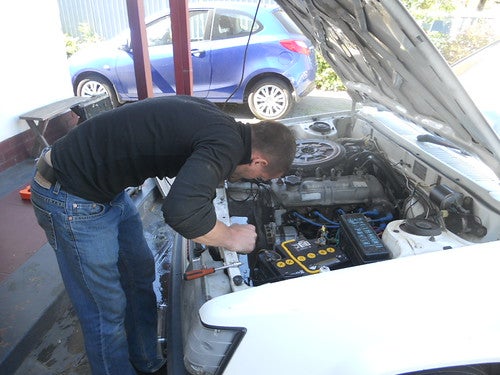
Are you thinking about selling your car? Now is a great time to consider selling or trading in your vehicle and getting another one. With interest rates going down, it's an ideal time to trade in your car at Rydell Outlet Center in Grand Forks, North Dakota. When selling a car in North Dakota, you might want to consider making some repairs so your car is at its best. Let's take a look at what repairs you should make before selling it. more Should I Repair My Car Before Selling It? Image via Flickr by ShawnJPro via CC BY 2.0 Car owners may wonder whether they should invest very much in repairing their car before selling it. You definitely need to weigh the pros and cons before jumping into a lot of expense if selling your car. If you have a newer car, you obviously won't have as many repairs to make, but it's vital to weigh the cost of repairing your car with the possible trade-in value you'll get. For example, if your car needs $2,000 in repairs, but your trade-in amount will only increase by $500 or $1,000, it's not worth doing the repairs. That means you will be out at least $500 by making the repairs. The only way this would be worth it is if you could not sell your car at all unless you made the repairs. Some repairs that are quite extensive could involve the engine or transmission. Chances are that you might not be able to sell the vehicle without repairing it. Hopefully, your vehicle doesn't have any major issues. If you suspect that you might have a blown engine or a transmission that's slipping, the best course of action is to trade it in. You can contact Rydell Outlet Center about trading in a car with a bad engine or transmission, and they will give you a fair price. Repairs and Maintenance To Do Before Selling Your Car Before selling a car, you can take some simple steps to ensure you get the best price for your vehicle. These repairs can be broken down into two main categories. General Maintenance General maintenance includes things you may have been doing all along. However, you'll still want to do these tasks before taking your car in to trade it at Rydell Outlet Center or before selling it. These tasks include: Wash and detail: Take time to wash your car and give it a thorough detailing. You can do this yourself or hire someone to do it for you. You want to clean the interior and the exterior. Take time to get all those hidden areas that you may not have paid attention to before, such as cleaning the tires and rims, dusting all the vents, and deep-cleaning the upholstery and carpeting. Rotate tires: If you haven't rotated your tires within the last six months, take the time to have them rotated. This makes the wear and tear more even on the tires, so you will have them ready for the new owner by rotating them. Oil change: Your vehicle needs to have the oil changed every 3,000 to 5,000 miles. Take time to have your oil changed, and be sure to keep the receipt to let the new owner see that you are staying on top of general maintenance. Refill fluids: Refill all the fluids in your car. These can include fluids for the radiator, oil, transmission, and windshield washer. You might not think this is very important, but it shows the new owner or the dealer where you're trading it in that you have taken time to maintain your car. If the other party notices that you're low on all or some fluids, they may think that you haven't been maintaining the vehicle very well. Minor Repairs Some cars may need minor repairs. These ones are worth fixing because the cost to do so is relatively low, and the amount you'll gain for doing it will outweigh the costs. Replace any burned-out lights: If you have any lights that are out, now is the time to get them fixed. Sometimes, people put off getting a headlamp, brake light, or turn signal light replaced. Maybe they are busy or just forget about it. Whatever the case may be, it's vital to replace any burned-out lights. Replace windshield wipers: A car's windshield wiper blades can wear out over time and not do an adequate job removing the rain, snow, and dirt. You can easily replace windshield wiper blades for a minimal amount. If you're not sure how to replace them yourself, most auto parts stores will put them on for you, free of charge, if you purchase from them. Replace any tires: If your tires are wearing thin, then go ahead and replace them with new ones. This will spruce the car up and ensure that it drives well. How do you know if your tires need to be replaced? You could check your records to see what the car's mileage was when you last replaced the tires and calculate how many miles you've put on the tires by comparing that mileage to your vehicle's current mileage. You can also go by the condition of the tires. Check your tires' tread depth to see if they're ready for replacement. If the tires are smooth, replace them immediately. Body touchup: Does your vehicle have any minor dings or scratches in the bodywork? This can be an easy fix and is usually worth repairing. A car that has a flawless body will look more cared for and retain a higher value when being sold or traded in. Trade In Your Car Today After you've done all the repairs and maintenance you want to do on your car, bring it to Rydell Outlet Center in Grand Forks, North Dakota. Our sales specialist will give your car an assessment and provide you with a fair trade-in price for your vehicle. Get in touch with an associate today for more information.

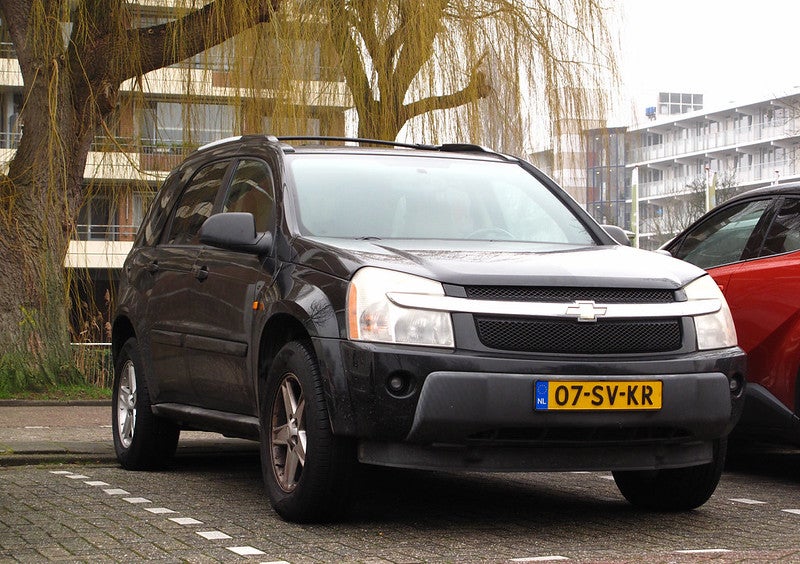
Black Chevrolet SUV backed into a parking spot

How do I sell my car with high mileage?

There's no way of getting around the fact that if your car has a lot of miles under its belt, it becomes less attractive to potential buyers if you're trying to sell it. But that doesn't mean selling your car is impossible when it has high mileage. On the contrary, there are several things you can do to make the sales process easier and secure the best deal possible. more Clean Your Car Image via Flickr by Rutger van der Maar via CC BY 2.0 No matter how well you look after your car, it's going to look used after 10 or 12 years of driving. Potential buyers won't expect a used vehicle with high mileage to look as good as new. However, you can impress them by at least giving the exterior a wash, vacuuming inside the cabin, and removing any trash or debris from the vehicle's storage areas and cubbies. A clean, well-kept car can make a good first impression on a potential buyer, which may encourage them to give you a fair offer. It also lets them know that you took good care of your vehicle, which certainly won't harm your chances of getting a good deal. Conduct Basic Repairs Whether or not you decide to follow this step will largely depend on the condition of your vehicle. If your car is in decent working order but has a few problems, like a damaged brake light or worn brake pads, paying a little extra money to have these repairs completed is probably a good idea. Potential buyers will be more attracted to a car that they can get into and start driving right away without having to worry about repair bills. In addition, you have a stronger case to ask for a higher price if you can honestly tell an interested party that everything about the car is in working order. If your car is in poor condition and requires a considerable amount of work, you may decide that spending a lot of cash on major repairs, like resolving mechanical problems, isn't worthwhile. That's not necessarily a problem, because there are buyers out there who may still be interested in your vehicle. For example, someone may be happy to pay for the repairs if it means they get a cheap car. Alternatively, you may find a dealership that will buy the car off you to repair and sell at a wholesale auction. The only thing you need to bear in mind if you do decide to sell a vehicle that requires a lot of work is that you'll have to accept a low price. Prepare a Description for Your Advertisement If you're selling your car privately, a detailed description of its condition and features will make a good impression on potential buyers. For example, you can detail the condition of the engine, interior, and exterior, any special features about the vehicle, and any repairs you've carried out. In addition, it can help to provide several pictures of both the vehicle's interior and exterior. If you include a good amount of information in your posting, it's more likely to attract interest. Set a Realistic Asking Price Before you complete your advertisement, spend some time researching a realistic asking price for your car. You can do this by using one of the many car valuation tools that are available online. All you need to do is provide some basic information about your car, such as the year it was made, the make and model, and its mileage. Alternatively, you can take a look at recent postings for vehicles similar to yours. Once you have an idea of what the retail price for your vehicle is, you'll need to think about any specific issues with your car that may require you to adjust your expectations. For instance, if you have a 12-year-old Nissan valued around $4,000, you may have to reduce your asking price to $3,500 if the buyer will need to perform some modest repairs after buying it. Making sure the asking price in your posting is reasonable is important because it will make your offer seem more credible. Buyers of used cars can do their own research into the vehicles they're considering, including yours. If your asking price is too high, they're likely to find that out pretty quickly and look elsewhere for a better deal. Decide Whether to Sell Privately or to a Dealer Selling a car privately can require a significant investment of time and effort. In addition to following the steps we've outlined above, you'll also need to respond to inquiries about your posts, set up meetings with potential buyers, and negotiate with them. Many inquiries may turn out to be dead ends, delaying the process further. One option worth considering if this is a concern for you is selling your used car to an auto dealership. Even if your sedan or SUV has a lot of miles on its odometer, you can still find a dealership to purchase it. Dealerships like ours with a large inventory of used vehicles can offer you a fair price for your car, take care of any repair or maintenance issues, and sell it on to a new buyer. While selling to an auto dealership probably means you'll end up receiving a lower price than what you could get on the private market, you benefit from a hassle-free process that can often be taken care of during one quick visit to our showroom. Our friendly team of auto experts here at the Rydell Outlet Center in Grand Forks will be delighted to help you trade in your used car. In addition to receiving a cash offer from us, you can deduct the value of your used vehicle from our great range of pre-owned cars. That way, you can get behind the wheel of a car, SUV, or truck for a reasonable price. If you want to get an idea of how much your used car may be worth, try out our valuation tool. alternatively, contact us today if you have any questions about the trade-in process or our fleet of used cars.

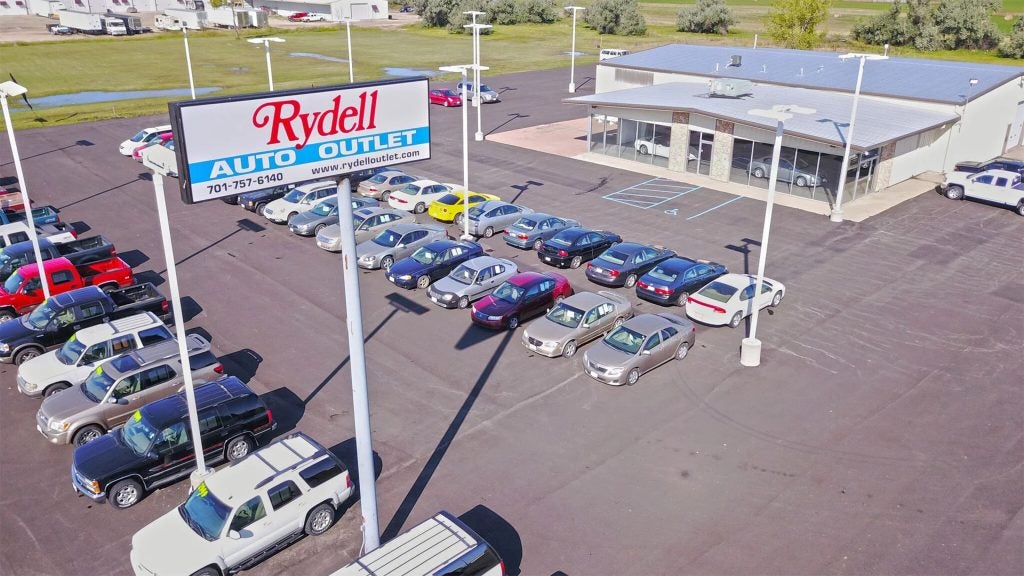
The Used Car Lot at Rydell Auto Outlet in Grand Forks, ND

Can You Lease a Used Car?

Leasing a car can be a great way to get behind the wheel of a top quality vehicle that meets your needs on a modest budget. To keep your monthly payments as low as possible, you can even lease a used car. Here at Rydell Outlet Center in Grand Forks, we can offer you competitive rates for used car leases. Here's a look at some of the benefits of a used car lease and some tips to secure a good lease agreement. more Leasing a Used Car May Save You Money One of the most attractive things about leasing a used car is that you can save money. The reason for this is that your lease payments are calculated based on how much the value of the car depreciates during the period of your lease. Depreciation takes place particularly rapidly with new cars. For example, cars can depreciate in value from anywhere between 20 percent and 40 percent during their first year of use alone. Depreciation occurs more slowly in used vehicles, which leaves you typically having to cover a much lower overall cost. The amount you save compared to leasing a new vehicle will depend on the make, model, and age of the car you choose. You may notice that the interest rate you pay on a used vehicle is higher than what it would be for a new car lease. However, this cost difference is generally much less than the amount of savings you make. This is because the interest rate is only a fraction of your lease payment, while the bulk of it is made up of the cost of the vehicle's depreciation. It's also typically cheaper to insure a used car than a new one. This means you may be able to reduce your car insurance payments by leasing used. You Can Opt for a Higher Quality Vehicle Due to the fact that you're saving money, you may be able to choose a higher-end used vehicle than you would if you were leasing a car fresh from the manufacturer. This may mean, for instance, that you can opt for a larger SUV that's more suited to your family's needs, or pick a higher performance sports vehicle than you had initially planned. If you're lucky enough to find your dream pre-owned car to lease, you'll still have the option to buy it for an affordable price when the lease comes to an end. Alternatively, you just need to return it to the dealership in good condition once the period of your lease expires. You Can Trust the Condition of Our Used Cars Used vehicles we offer for lease at the Rydell Outlet Center in Grand Forks are reliable and in good condition. Used vehicles offered for lease are often certified pre-owned cars and SUVs. This means that we know the ownership history and maintenance records of each vehicle. Used vehicles are also generally only eligible to be leased if they have driven less than 48,000 miles. In addition, our team of auto service technicians performs a thorough inspection of each vehicle to ensure its components are in good working order before leasing. If problems are detected, they carry out all necessary repairs. If the used vehicle you choose is still under the manufacturer's warranty, you'll continue to enjoy this protection during your lease. If the warranty has expired or it expires during your lease, you can purchase a servicing warranty to ensure that any repairs your vehicle requires can be taken care of by our service team. We strongly recommend that you do this if you're leasing a vehicle from us. If you don't have extra coverage after the warranty has expired, you could find yourself having to pay the full repair costs if something goes wrong. Deciding Whether Leasing Is Right for You Before you go ahead and agree to a lease on a used car, there are several factors to consider. The first thing is the type of car. Since not all makes and models depreciate at the same speed, leasing may not be the most affordable option for you. For example, luxury SUVs and sports cars typically retain their value well into their middle age. These types of vehicles are therefore less likely to depreciate in value significantly during your lease, which will in turn reduce the total payment you need to make. By contrast, if you want a vehicle that depreciates rapidly after its second or third year of use, you may want to consider buying it instead, since you could get a competitive price for it on the market. If you're unsure what the typical market value for a particular vehicle is, you'll be able to find many price comparison services online. Making use of these services will help you determine whether leasing or buying is your best option. You should also carefully examine the terms of your lease before agreeing to it. One term to pay special attention to is the mileage limit. While you can drive a car as much as you like when you buy it outright, lease agreements typically include a yearly mileage limit. If you go over the limit, you can be charged extra. If you know in advance that you'll need to drive more than the specified limit, consider buying a used car. However, if you're happy with the mileage limit, leasing could prove to be a cheaper option for you. Now that you know how leasing a used car works, and what the pros and cons are, you hopefully feel better placed to decide whether our used vehicle leasing offers are right for you. If you have more questions or you'd like to get the leasing process started, we'd be delighted to hear from you. Contact us here the Rydell Outlet Center. Remember that if you've decided against leasing, we can still help. We have great deals on buying used cars outright that may interest you. Check out our online inventory to learn more.

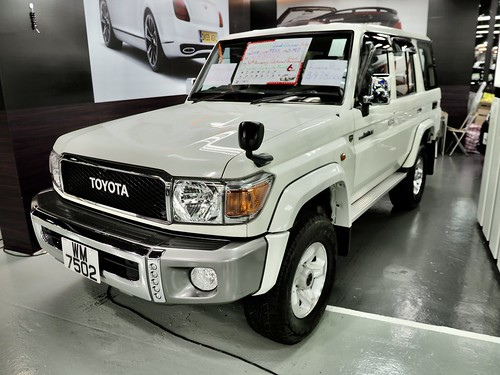
White used Toyota car for sale | Rydell Outlet of Grand Forks

What Cars Last the Longest?

When you buy a used car, you want it to last forever. You don't want a string of repairs and worries. We all know someone who's spent good money on a nightmare. How can you avoid buying a money pit? Number one: buy from someone you trust. Rydell Outlet Center is an extension of the same group that has been supplying great new and used vehicles to the North Dakota/Minnesota area for almost 70 years. We don't sell bad used cars. At the Outlet, finding diamonds and exceeding expectations is our specialty. more Second, a vehicle's longevity is partly connected to care and maintenance. Take care of it and it will take care of you. No one builds a bad car these days and 100,000 miles is easy to achieve. Yet research shows some makes and models consistently age well. Toyota and Honda dominate lists of cars most likely to reach 200,000 miles. Both companies have always been dedicated to reliability and quality above all else. It shows. In 2019, 1.8% of all used Toyotas and 1.6% of Hondas sold had over 200k on the clock. Another common feature among high-mileage machines: many are established full-sized trucks or body-on-frame SUVs. They haven't changed much over the years and they have simple powertrains. So what would we suggest to drive into the sunset and beyond? Toyota Land Cruiser Image via Flickr by Jones028 via CC BY 2.0 Since 1951, the Land Cruiser has taken wildlife guides safely in and out of the most dangerous biomes in the world. It's the second longest continuous production run of any automobile. Your commute might not involve lions or rhinos, but it could. Toyota continues to extensively test the Land Cruiser in the Australian outback, where heat and lack of resources can swiftly kill other vehicles. They've engineered a bullet-proof machine through generations of continual improvement. One of the most coveted engine options is the 2UZ-FE 4.7-liter V-8, designed specifically for low-revving, high-torque applications. It features DOHC cylinder heads, MFI fuel injection, 4 valves per cylinder and a cast aluminum intake manifold. For over a decade starting in 1998, this cast iron block appeared in the Land Cruiser as well as the 4Runner, Tundra, Sequoia, and Lexus GX/LX470. You might find one with the TRD bolt-on supercharger. A well maintained Land Cruiser will hold its value from 200k to 300k and beyond. Chevrolet Suburban Chevy first used the Suburban name in 1934. The title's been synonymous with durability and capacity ever since. Long before SUVs were ubiquitous, the Suburban was what you chose to drive everything and everyone everywhere. It was originally known as the Suburban Carryall and it continues to live up to that mission. Available with three benches since the 1990s, it's one of the rare vehicles that can seat nine. Underneath it all, the Suburban is a Chevy Truck. It's rugged, easy to repair, easy to source parts for, and features the same reliable engines as their Silverado siblings. The seventh generation was built from 1973 to 1991, far longer than any other version. It's the classic giant box that's been eating trails while loaded with camping gear since before "SUV" was a term. If you can turn a wrench and keep a truck running, you can keep a 7th generation Suburban going for another decade. Want something newer? The tenth generation (model years 2007-14) features a more aerodynamic shape and was also offered as a GMC Yukon XL. The 2010 model was named US News & World Report's number one affordable large SUV. You could get one with a 5.3, 6.0 or 6.2-liter V-8. Honda Ridgeline Honda took everything it knew about long lasting cars and made their first attempt at a modern pickup truck in 2006. They were looking to pull buyers from sedans, minivans, and SUVs and into pickups. While the styling isn't for every truck person, you can't doubt the utility and versatility. The first generation features innovations like a locking in bed trunk, a dual action tailgate, an in bed audio system, and more ingenious storage than truck owners were used to at the time. This first model was powered by a transverse mounted 3.4-liter V-6. The exhaust manifolds are cast directly into the cylinder heads of the aluminum block engine. This setup has proven to be near bullet proof when maintained on schedule. The Ridgeline will deliver the worry-free ownership experience you expect from a Honda car. Ford Expedition For many of the same reasons the Suburban is a classic, Ford's example of a full sized SUV eats up miles without complaining. It doesn't have the pedigree of the Suburban name, but Ford's been playing in the dirt since the Bronco and before. The Expedition also benefits from being the stablemate of the world's best selling truck. Launched in 1997 as the heir to the Bronco, it's their first full-sized four door SUV. It is mechanically a version of the F150, so parts from every generation are easy to find and so are qualified mechanics. The Lincoln Navigator is the same, but with a different badge and nicer appointments. You can find both models in extended versions and sometimes with EcoBoost engines. You might prefer the simplicity of a Ford V-8, however. Toyota Tacoma Few things have ever been more dependable than the most basic Toyota pickup. Whatever the decade, they hold their value. The Tacoma name was introduced in 1995 and it carried the durability with it. The basic 2.4-liter four-cylinder is a direct descendant of the engines that won't stop pushing old Toyota trucks around. You might find a rugged TRD model or one with a 4.0 V-6. If well taken care of, you can continue to flip the odometer. When searching for a great new-to-you vehicle, remember to ask the right questions, stick to simplicity, and shop with trustworthy people. Rydell has thrived in Grand Forks since the 1940s by selecting only the best used cars. Our new dealerships are a source of outstanding trades and we value our people above all else. You'll find only the best pre-owned selection and the most helpful staff at the Outlet Center, so come by and have a drive.

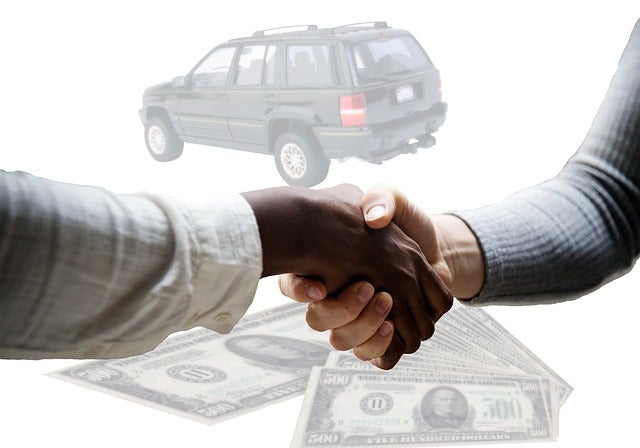
2 people shaking hands with a car and dollar bills in the background

At what mileage should I trade in my car?

When you purchase a vehicle and drive it off the lot, the value will depreciate slightly. As time goes on and mileage increases, the vehicle will continue to depreciate, making it worth even less. If you think you might want to trade it in again, choose an optimal time. That way, you increase your potential trade-in value. There is no exact mileage number that will make or break your vehicle's trade-in value — but if it's possible, you should trade your vehicle in before it reaches 100,000 miles. more At Rydell Outlet Center, we have a sell/trade program available for customers just like you. If you are considering a new car and aren't sure what to do with your old one, let us help. We do not only accept trade-in vehicles - we also buy cars. You can sell us your vehicle outright to use for cash without the need to purchase another one. Use our Kelley Blue Book Valuation tool and find out what your vehicle is worth today. If you aren't ready just yet to sell or trade your vehicle in, here are some helpful tips on what mileage points you should consider when trading it in. Trading Your Vehicle In Based on Mileage There is no secret number on the odometer that will make or break the value of your vehicle. Some vehicles automatically carry higher resale value than others. That means a higher mileage on those vehicles might not change the trade-in value significantly. A good rule of thumb is to consider your vehicle's value will drop every 10,000 miles more you put on it. You can also use the mileage to track important milestones that can affect your decision on when to trade in your car. The first is the window between 30,000 and 40,000 miles. This point is often when the first set of bigger repairs occur. Bumper-to-bumper warranties typically expire around this period too. Many new car warranties expire at the three-year or 36,000-mile mark, whichever occurs first. During your first repairs, you may need to replace items like brakes or tires. You could spend over $300. However, dealers may offer you more for your vehicle if it's in excellent condition and doesn't require any major repairs. The second milestone to be mindful of is 60,000 to 70,000 miles. You can expect tires and brakes to need replacing during this time as well. Your car may need other maintenance services too, and you may be looking at a new battery. The value of your trade-in during this period will also depend on the age of your vehicle. Many vehicles that have reached 60,000 or more miles are at least five years old. Your vehicle could have already taken a major hit in depreciation. The third major milestone is when your vehicle's odometer hits 100,000 miles. While many newer cars can easily last well beyond the 100,000-mile mark, the truth is that depreciation often hurts the value of your vehicle at this point. Cars which have traveled 100,000 miles or more may not be eligible for dealers' certified pre-owned program. Hence, its value may decrease further. The make, model, and year of your vehicle are important for a vehicle that has logged 100,000 miles or more. If your vehicle is newer and you racked up high mileages, it may still have some significant value.  To know for certain, you can check our Kelley Blue Book Valuation tool or talk to one of our staff members. You might be surprised at how much value your car still has. COVID-19 and Used Car Prices The pandemic actually caused used car prices to increase. Initially, there was a decrease in the number of used vehicles being sold. However, by the end of 2020, prices were on the rise. This is important for those looking to trade in or sell their vehicle. You could have the unique opportunity right now to trade your vehicle in for a higher price than normal if prices continue to trend upward. The reason for the increase in prices may be due to people wanting to skip public transportation and drive their own car given the health crisis. Interest rates have also remained low, enticing other buyers to get a new vehicle. Meanwhile, the demand for a used vehicle is higher than before, possibly because people are concerned about financial stability given the pandemic's effect on the global economy. Trading In Your Vehicle Versus Selling It Image via Pixabay by Tumisu Some people question why they should trade a vehicle in when they can sell it for more on their own. When we purchase a vehicle, we have to consider additional costs, such as advertising and reconditioning costs. While you may make a little more money by selling it yourself, it can also prove to be more costly and time consuming. You will need to spend considerable time and resources to market the vehicle on your own. You need to increase the vehicle's visual appeal. Then, you have to advertise it and be present to show the vehicle to prospective buyers. You then have to where to show the car and whether you would let people meet with you at your home. You also have to protect yourself from possible scammers. Some people who contact private car sellers may end up being fake buyers and even attempt to steal the car. And while there are ways to ensure that the prospective buyer is credible, this would usually require a lot of extra work on your part. For these reasons, trading in your vehicle or selling it to the dealer is easier. Your time alone may be worth more than the little extra money you would receive from a private sale. You get to trade the vehicle in and be done with the process immediately. At Rydell Outlet, we will give you top dollar for your vehicle. You can choose to receive cash or a check right there on the spot. Rather than spend weeks or months dealing with selling your car, we can complete the process in 30 minutes or less in most cases. We will come to you if you don't want to bring your vehicle in. We can even facilitate an estate sale. To learn more, visit our website and contact us with any questions.

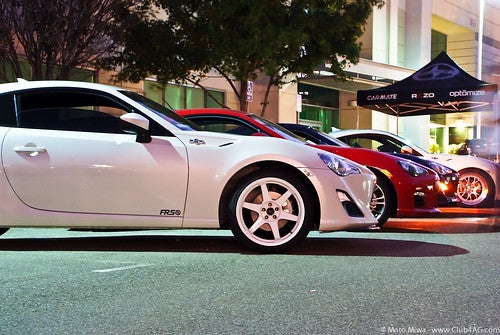
Cars lining a street

How Does Selling to a Car Dealer Work?

Once you decide to sell your car, there are usually two ways you can do it: either try to find a buyer yourself or sell it to a used car dealership. Although option number two is typically much faster and straightforward, before driving your vehicle to a dealer's lot there are some things you should know about the trade itself and how to get the best deal you can. more How Selling Your Car to a Dealership Works Although the odds of you getting a much higher offer from a dealer compared to a buyer that you find by yourself can be slim, the quick and hassle-free process can make it worthwhile. The huge amount of deals done by car dealerships over the years has resulted in a very efficient procedure, and the dealership is likely to do everything it can to help make things as smooth as possible. Once you arrive at a dealership, you will probably be greeted by a salesperson who will direct you to the employee in charge of used cars. Before offering you a price, the used car manager will ask you for all relevant information regarding the car and will then use an online vehicle history database to check for any previous issues. During this conversation, a mechanic may check the car's condition and even take it for a drive to look for any underlying issues. You're also likely to be asked if you want to trade in your old car for a new one, with attractive deals that typically offer you a higher valuation for your used vehicle than the valuation you'd get if you only want to sell your car for cash. However, most car dealerships are willing to do business with you and offer the same valuation even if you don't want to use their dealership to get a new car after selling the old one. Once your car has been verified, the dealership will make you an offer, based on how other similar cars are priced and on your car's condition. The offer may also be influenced by other factors, such as the number of identical cars they have on the lot at that moment or the time and money they need to invest in the car to make it sellable. Most dealers are totally transparent regarding the tools and methods they use to evaluate your car, so feel free to ask them and they will probably tell you about the entire process. After you agree to the offer that was made to you, the dealership will start preparing the paperwork, which can take up to 48 hours. The process may be longer if you still have an outstanding loan on the vehicle, as the dealership needs to contact your lender. This doesn't usually affect your car's price, with the main difference being that your loan will be paid off before any money gets to you. If your car is worth less than the outstanding loan, you will have to pay the difference if you want the deal to go through. Determining a Fair Value and Getting the Best Price for Your Car Image via Flickr by Moto@Club4AG via CC BY 2.0 Before taking your car to the dealership to get an estimate, you should at least have a rough idea regarding what it's worth. There are plenty of online tools that can help you do that, and all you need to do is put in the car's original price, along with details regarding its condition, mileage, and additional equipment. The offer you'll get from a dealer is likely to be close to the trade-in value that you previously determined, with a little space in there for the dealership to make a profit when they resell it. You should also look online for your car's history report, especially if you weren't its first owner. If the car has an accident history or if there are any issues with its paperwork, it's better to know about it than to hear it for the first time at the dealership, while trying to get the best deal you can. You can also get an instant cash offer online, but the companies offering that still require a physical inspection of the vehicle. However, it's a good way of finding out how much a dealership is actually willing to pay for it. Once you know roughly how much you can get for your car, you need to make sure that the dealership will not find any reasons to lower that estimate. The first thing you can do about that is to repair any minor damages, such as small scratches, faulty lights, squeaky seats, and other issues that are noticeable, but cheap to fix. If the car has any major problems it usually makes no sense to fix them yourself, as the repair is likely to cost more than the extra money you'd get from the dealership. Finally, before taking it to the dealer, you should make sure that the car looks as good as it can. Although professional car sellers are able to see a car's value beyond superficial details, like it being dirty or its cabin having a fishy smell, they are likely to assume that you didn't take good care of your car. It is usually a fair assumption, as drivers who neglect their car's looks are more likely to neglect aspects like regular inspections and oil changes. Although the entire process of preparing your car and taking it to the dealership to be evaluated can be stressful and time-consuming, you are likely to get a better deal if you shop around and visit multiple dealerships. You should especially be focusing on dealerships that regularly sell your car's brand, as your car may be more desirable for them. Selling your car to a dealership is a quick and easy way to get a decent price, but it helps to be familiar with the entire process. Visit Rydell Outlet and you can get a good price on your vehicle, as well as a great deal on another one.

Contact Us

Fill out this form below and we'll contact you shortly
*Required Fields