Blog / Used Car Buying Tips

Blog

All Used Car Buying Tips Local Tips Grand Forks Used Cars Things To Do in North Dakota Rydell Outlet Service Grand Forks Dealer
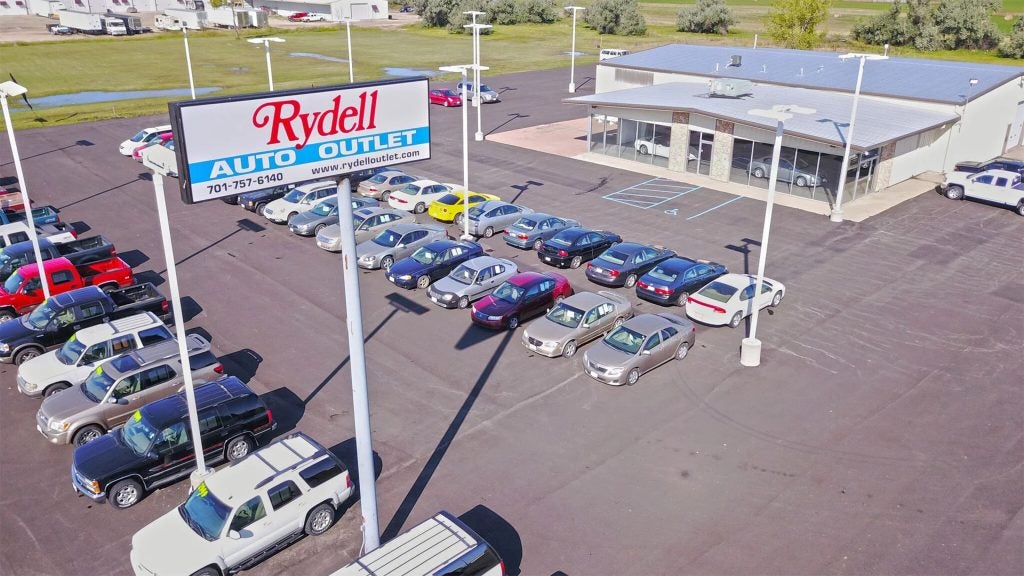
Rydell Auto Outlet car lot

Questions to ask when buying a used car

It's important to learn as much as you can about a vehicle before you buy it. You're spending a lot of money and you want to ensure there are no surprises when you drive off the lot. To that end, below are some questions you should ask when buying a used car. These questions will help you learn all of the important information about a vehicle so that you feel comfortable with your decision. more What Is the Ownership History? One of the first things you should ask about is the ownership history of the vehicle. There are a few things you'll want to look for within the ownership history. First, you should look at how long the last owner had the vehicle. If the previous owner only had the vehicle for a short time, this could be a sign that they were unhappy with the vehicle for some reason. Review how many owners there have been. If there are several owners over a short period of time, this could indicate that each owner had issues with the vehicle. Finally, look at who the previous owners were. Specifically, you're looking for whether the previous owner was an individual or a rental agency. If it was a rental agency, this means that the vehicle was driven by many different people who may not have taken proper care of it. While not always the case, generally speaking, it's preferable to buy a used vehicle that comes from an individual owner rather than a rental agency. What Is the Vehicle's Service History? Ask about the service history of the vehicle. The service history can tell you whether the previous owners took proper care of the car. You want to ensure that the vehicle received regular maintenance such as oil changes as well as new tires and new brake pads. Check the service history to see if the vehicle had any major repairs. An older vehicle with a new transmission suggests you don't need to worry about replacing the transmission during your ownership. Most used car dealerships can provide you with service history for any of their vehicles. What is the Vehicle's Accident History? Be sure to ask about the accident history of the vehicle. If a car gets into an accident, it can cause some significant long-term damage. A car may look great from the outside but still have issues with the interior. With an accident history, you can ensure that there are no underlying issues with the vehicle before you purchase it, or at least know about the issues so that you can factor them into how much you're willing to pay. As with service history, used car dealerships should have full accident reports for all of their vehicles. Are There Any Components That Don't Work As They Should? This is a great question to ask from the start. You don't want to drive away with your new purchase only to realize something isn't quite right with your vehicle. For example, maybe some of the buttons on the dashboard don't work or the seat adjustment lever is broken. While small issues like this may not deter you from purchasing the vehicle, you'll still want to know about them before you do. You may also be able to ask the owner to repair the issue before selling you the vehicle, thereby saving yourself some trouble. How Did You Arrive at the Selling Price? When buying a car, you want to ensure that you're paying a fair price. A good way to do this is to learn how the seller arrived at their price. If they are able to show you the math they used to arrive at the number, you can better determine if that number is reasonable. For example, a used car dealership may show you the Kelly Blue Book value of the vehicle and how they used it to determine their selling price. While any good car dealership will use a vehicle's actual value, along with their own fees and profit margin, to determine a price, learning the math behind it can help you feel more at ease that you're not being misled into paying more. Can I Have the Car Inspected by My Own Mechanic? Many car buyers do not have extensive knowledge of how vehicles operate. Therefore, when they go to look at a new car, they can't really tell if it's in good condition or not. To help them feel more comfortable that everything under the hood is in working condition, they want an expert of their own to inspect the vehicle. If this sounds like you, ask the car owner if you can have your own mechanic inspect the vehicle. Many private owners and dealerships are happy to work something out so that you feel better about your purchase. Is the Vehicle Currently Covered by Any Warranties? If the used vehicle was made within the past few years or has relatively low miles on it, it may still be covered by some warranties. For example, some warranties cover transmission issues for 10 years or 10,000 miles. By learning, if there are any current warranties in place on the vehicle, you'll know if you have any extra protection. Warranties are more common on certified pre-owned vehicles, but you may find them on other used vehicles as well. Get Your Next Used Vehicle from Rydell Outlet Center It's important to ask plenty of questions whenever you're shopping for a used vehicle. Just as important, though, is to shop from someone who can answer your questions thoroughly. To get answers to all of the above questions during your next quest for a used vehicle, come to Rydell Outlet Center. We have a wide selection of used vehicles available, with new ones coming in all the time. Our team would be happy to answer any questions you may have and help you find the perfect vehicle for your needs. To get started, please contact us today or stop by our dealership at any time.
How much is a used car warranty?

If you're looking for a used car, you might be wondering if a used car warranty is something you should consider when getting that pre-owned model.  While many prove to be reliable for years, high-mileage used cars are prone to repairs and breakdowns because of aging, defects concealed at the time of purchase, improper maintenance by previous vehicle owners, and aging. more Used car warranties go a long way in creating peace of mind, especially if you're on a tight budget. There's comfort in knowing that you're covered if a costly repair pops up. Below, we discuss everything you need to know about protecting your automobile through an extended used car warranty. What Is a Used Car Warranty? Image via Flickr by mikecogh CC by 2.0 A used car warranty also referred to as an extended vehicle warranty, is a vehicle service contract that promises to pay for the cost of some auto repairs. These warranties work similarly to the Original Equipment Manufacturer's warranty. However, most new auto limited warranties expire three and five years after an automobile's original in-service date. After this time, most drivers have to cover damages caused by parts defects or craft faults on their own. Extended car warranty plans come into play here. With coverage, some car components will benefit from prolonged protection against faulty parts or craft flaws. Extended warranties also come with some perks like towing benefits and roadside assistance. Combining all of these, drivers often have peace of mind on the road, despite the car's age and mileage. From full coverage to just the essentials, here's a rundown of the types of used car extended warranties available: Bumper-to-Bumper: This is the most comprehensive and expensive level of vehicle warranty coverage that promises cover repairs for most car parts and systems in case of a mechanical breakdown. Stated-Component: This warranty protects car owners from repair costs for every part and the system listed in the contract. Powertrain: A powertrain warranty provides coverage for essential systems the vehicle needs to function, including the engine, transmission, and related components. If you want to make sure your ride remains in tip-top shape for years to come, a bumper-to-bumper warranty would be your best bet. On the flip side, if you're only worried about your used car's essential systems, you might want to prioritize powertrain coverage. Extended warranties are generally offered by the manufacturer, dealership, or dealer. How Does a Used Car Warranty Work? An extended auto warranty works similarly to an insurance plan for your vehicle. You cover a small, up-front payment monthly. Your warranty usually goes into effect after a four-week waiting period, and it protects you from unforeseen repairs, which can be expensive and ruin your budget. Here's how a used car service plan works when you want to file a claim: When your vehicle needs repair, put together your warranty documentation and get an estimated cost for the repair. Next, contact the warranty provider to confirm that the repair you need is covered. Then, take your car in for repair to an approved service cente r. Your warranty provider may pay your mechanic directly or reimburse you for the expense. What Is the Average Cost of a Used Car Warranty? The average cost of an extended car warranty is $2,800. Pricing varies depending on your car and the level of coverage you need. Most vehicle owners pay approximately $600 to $1,000 annually for extended warranty coverage. Factors contributing to an extended auto warranty cost include: The mileage and age of your car: The older a vehicle is, the more likely it's to break down, making it more expensive to cover. The model and make of your car: The more expensive your automobile is, the more costly it is to cover parts. The plan you pick: An exclusionary plan that covers almost all vehicle parts will generally be pricier than a basic powertrain plan. Carefully consider the levels of coverage available to you. Your location: You might be given higher or lower rates depending on where you reside. While there are other potential factors, these four main ones will ultimately determine your overall extended car warranty cost. What Does your Used Car Warranty Cover? Most basic used car warranties provide coverage for your transmission and engine components that require lubrication since these parts need regular service to keep your ride running smoothly. There're different coverage tiers, too, so be sure to go over the fine print and find the warranty that's the best fit for your particular needs. The following is an example of items covered under an extended warranty: Electrical components. Steering system. Drivetrain. Engine assembly. Exhaust systems. Transmission. Heating and cooling assembly. Alternators, manifolds, pumps. Extended warranties aren't meant to cover regular maintenance or body damage. Most plans and policies exclude items like: Routine maintenance. Fluid replacement. Brake pads/brake shoes. Tires. Spark plugs. Wheel balancing. Filters. Scratches, dents, paint chips. Body damage. Advantages of Extended Warranties on Used Cars A certified dealership like Rydell Outlet Center can pass all its advantages to you, so it's better to deal with them. Under this warranty, most repairs are made by the dealership without any deductible expenses. The notable benefits of this warranty include: Any repair shop can do vehicle repairs so long as they are certified by the National Institute for Automotive Service Excellence, including dealerships. Coverage from third-party warranty providers is often less costly than manufacturer warranties. If you love your used vehicle and want to keep it for many years, an extended warranty will help you do that by covering maintenance costs that may otherwise encourage you to sell it. Plans add perks such as trip interruption coverage, roadside assistance, and rental car reimbursement. You get peace of mind on the road as it protects you against bank-breaking bills. While original equipment manufacturer's warranties cannot be customized, extended car warranties offer the flexibility to remove or add items to create a warranty that's a good fit for your budget and. When purchasing a used car that you want to protect for many miles, it's wise to consider an extended auto warranty. Rydell Outlet Center in Grand Forks, North Dakota, offers a range of extended warranties on used cars. Don't hesitate to contact us if you have any questions. Without using high-pressure tactics, our friendly team of experts will give you unbiased, straightforward information on available warranty products and allow you to decide whether they're a good fit for you.

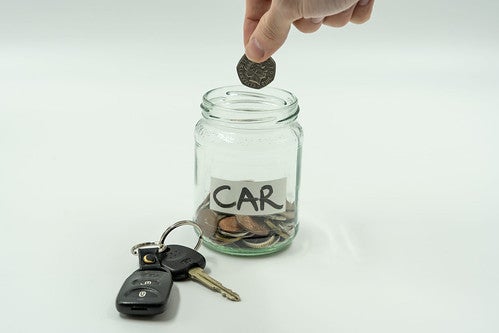
A jar of coins labelled "CAR"

How much car can I afford for $300 a month?

Purchasing a vehicle can be exciting and nerve-wracking at the same time. While it's fun to pick out a vehicle to fit your needs, dealing with financing or trade-in values can also be daunting. If you take some time on the front-end of vehicle ownership to get an estimate of your trade-in and figure out the amount of financing you can afford, the process can be a lot smoother. When it's time to start shopping, how do you know how much car you can afford for $300 per month? more How Much Can You Afford? Image via Flickr by Raisin - Finance Stock Images via CC BY 2.0 One of the most important factors of owning a vehicle is knowing how much you can afford before purchasing anything. You need to consider factors such as insurance coverage, fuel costs, and the expense of any future repairs when budgeting for a vehicle purchase. There's more to just the price tag in the vehicle window when it comes to financing a vehicle. Do you have money for a down payment or a vehicle to trade in to lower the overall amount you need to finance? Are you able to pay for tax, title, and licensing upfront, or do you need to roll those expenses into the loan? These are all aspects of the car-buying experience that help determine how much you can afford to borrow. Consider Your Salary The primary deciding factor in how much you can afford for a car payment is your take-home pay. When looking at the car payment itself, experts recommend that you keep a new car payment at no more than 15% of your take-home pay, while a used car should be no more than 10%. Once you add in expenses such as fuel, maintenance, and insurance premiums, you don't want to exceed 20% of your take-home pay with either a used or new vehicle. Your salary will also be considered by any private lenders or dealership financing in order to receive approval for financing. Lenders look at your debt-to-income ratio, which compares what your income is versus your monthly expenses. Most lenders prefer a DTI of no more than 45%, although some will work with you if you're as high as 50%. Use a Car Loan Calculator Before stepping foot onto the dealer's lot, you should run your information through a car loan calculator so that you know how much you can afford. To get an accurate estimate, you need to: Get a copy of your credit report and credit score. A higher credit score means a lower interest rate with most lenders. Contact several lenders to get pre-qualified to compare interest rates to determine the average interest rate you could be offered. If you pre-qualify within a two-week period with several lenders, it will only count as one hard inquiry. Use an online car loan calculator to estimate payments using the average interest rate, desired repayment term, and car price. Determine Insurance and Fuel Costs Insurance premiums vary by vehicle type and individual drivers. If you already have car insurance, you can contact your agent to run vehicles you're interested in to see what the going insurance rate would be. You may also want to take this time to reach out to several insurance agents for quotes so that you can compare the bottom line of your insurance costs and get the best deal. Factors that affect your insurance costs include: Driving record. Daily mileage and usage. Where you live. How old you are. Your gender. Credit history. Qualifying discounts. Type of coverage. Amount of coverage. Selected deductibles. You can also research the average fuel economy of vehicles you're considering. Think about how many miles you drive to work or school each day, as well as what type of driving it is. Do you drive more in the city or on the highway? Fuel economy varies based on whether you're doing a lot of starting and stopping or rolling down the road at a steady speed. Take the average miles per gallon of the vehicles you're looking at and figure out how much fuel you will use per month, then multiply that by the average gas prices in your area. This will provide you with an estimate of fuel expenses per month. Consider Future Repairs Another factor you'll want to consider is the expense of any future repairs, such as replacing a battery or tires or fixing the brake pads and rotors. Research the average costs of parts and service on any vehicles you're considering as possible purchases to compare the costs. Depending on the make, model, and year, repair and maintenance expenses can vary quite a bit from one vehicle to another. While these expenses aren't upfront costs, you need to plan for basic repairs and maintenance for any vehicle, no matter how new. Be Realistic Purchasing a vehicle can be an exciting experience, and finding the car of your dreams with all the features you desire can make anyone smile. Be realistic when considering your budget because a vehicle isn't worth the car payment if you can't afford to drive it or maintain it. Don't push your budget to the last penny. It's better to have a little more to put toward repairs, maintenance, or even eating out or catching a movie at the cinema than to have to push it to make ends meet each month for your car payment. How Much Car Can You Afford for $300 a Month? If you've used a car loan calculator, added in for fuel, maintenance, and insurance, and find that you can realistically afford $300 per month for your car expenses, it's time to look at what type of car that will get you. Depending on your credit score, you're looking at a quality used vehicle between $8,000 and $12,000. Rydell Outlet offers a wide selection of vehicles in this price range and can work with you to get financing, even if you have bad or no credit. Whether you're looking for a family-friendly vehicle like a Honda Odyssey, a fuel-efficient model like a Nissan Versa, or a work-ready truck such as a GMC Sierra 1500, we've got you covered. You can even buy your used car online and have it delivered to your home with Rydell Delivers. Check out our inventory online or stop in today! Contact a Rydell team member for more information.

Is it easier to finance a new or used car with bad credit?

If you're getting ready to purchase a new or used car, you might be wondering about the steps you'll take next. Hunting for your next car is exciting, and maybe you've already started looking around, deciding what type you want. However, if your credit is not so good, that might be pressing on your mind. You might be wondering how bad credit could affect your credit and your purchase. Will you still have options to pursue buying a vehicle? Financing a car with bad credit in Grand Forks, North Dakota, has its challenges, but it's still possible with the right plan. Here are tips to help you purchase a car in the Grand Forks area if you have bad credit. more What Is Considered Bad Credit? Before you start worrying too much, it's helpful to know what's considered bad credit for an auto loan. Here's a breakdown of Experian's credit score ratings: 300-579: Poor 580-669: Fair 670-739: Good 740-799: Very Good 800-850: Exceptional Every institution has its own guidelines for determining what type of credit score they want in order to give you a loan. Most auto lenders want you to have a score of 660 or above — at least if you want the best interest rates. In fact, even a score below 700 may require explaining any negative marks on your record. That doesn't mean you can't get a loan with a lower score, but it will cost you more interest and a higher monthly payment. What Impacts My Credit Score? Five main factors go into determining your credit score. These are: Payment History: Do you pay on time? Length of Credit: Have you had your credit long, or are you just getting started? Amount of Debt: Do you use most of your credit, or is your credit utilization ratio below 30%? Credit Diversity: Do you have a variety of credit, such as credit card, mortgage, personal loan, car loan, and so on? This only accounts for 10% of your overall credit score. New Credit: Have you been opening many new credit lines lately, or have you had a lot of hard inquiries on your credit? This accounts for 10% of your overall score. Financing a Used Vs. New Car With Bad Credit Image via Flickr by Crown Star Images via CC BY 2.0 If you have a lower credit score, the process for purchasing a vehicle will be slightly different from what it is with a good score. The auto dealer will search for lenders who are willing to work with your credit situation. Next, the lender will let the dealer know how much they will loan you, giving you an idea of the monthly payment. Once you have this information, you can look for vehicles that fit this parameter. Of course, your options will be limited based on the total amount you are able to borrow. Also, if you decide you want a 36-month loan term instead of a 60- or 72-month agreement, your monthly payment will be higher. This could affect your decision about financing a used vs. new car. Used cars will cost less, so you'll have more options, making them a great choice if you have bad credit. Another benefit of financing a used vs. new car with bad credit is that your monthly payment will also be lower. This makes the loan payments more manageable for you as you work to build up your credit score. Some people might be hesitant at first about purchasing a used car, but you might be able to find a used vehicle that has low mileage and very little wear and tear. Also, even a car that's only one or two years old will cost significantly less than a brand-new one. Cars depreciate the minute they are driven off the car lot. So, you can expect to see substantial savings with a used car. Other Steps to Take if You Have Bad Credit You can take other steps if you know your credit score is bad. For one thing, putting a large down payment on a used car will help. It will reduce your overall costs, and it will show lenders you're responsible enough to have some money put away. Your monthly loan payment will be lower, making you less of a risk to lenders. Make sure you work with an auto dealership that's able to offer you financing even if you have bad credit. You shouldn't have to pay added fees or hidden costs to finance a used car if you're dealing with a reputable used car dealership. Some dealerships even specialize in helping people get another vehicle even when they've had issues with their credit. Finally, you could always consider getting a cosigner for the loan. A cosigner is someone who agrees to take responsibility for the loan if you default on it. This would have to be someone you are close to and someone who trusts that you will repay the loan. Having a cosigner can help increase your score — just make sure you use someone with stellar credit. Keep in mind that a cosigner is not a co-owner of the car, so you'll have full rights and ownership of it once it's paid off. Next Steps for Purchasing a Car Now it's time to take the next step in your journey to purchasing a car. You can save yourself some hassles by checking your own credit report to see if there are any errors on it. The credit reporting bureau allows you to pull your credit report at least once a year for free. Once you've made sure your credit report is error-free, take a ride to Rydell Outlet Center in Grand Forks and have a look at our selection of used cars. You can find many options for under $10,000. Whether you're looking for a car, truck, or SUV, check out financing a used vehicle. Get in touch with a car sales associate at Rydell Outlet Center to discuss financing a car if you have bad credit. We're here to do business with you today!

Is it worth repairing my car before selling?

Are you thinking about selling your car? Now is a great time to consider selling or trading in your vehicle and getting another one. With interest rates going down, it's an ideal time to trade in your car at Rydell Outlet Center in Grand Forks, North Dakota. When selling a car in North Dakota, you might want to consider making some repairs so your car is at its best. Let's take a look at what repairs you should make before selling it. more Should I Repair My Car Before Selling It? Image via Flickr by ShawnJPro via CC BY 2.0 Car owners may wonder whether they should invest very much in repairing their car before selling it. You definitely need to weigh the pros and cons before jumping into a lot of expense if selling your car. If you have a newer car, you obviously won't have as many repairs to make, but it's vital to weigh the cost of repairing your car with the possible trade-in value you'll get. For example, if your car needs $2,000 in repairs, but your trade-in amount will only increase by $500 or $1,000, it's not worth doing the repairs. That means you will be out at least $500 by making the repairs. The only way this would be worth it is if you could not sell your car at all unless you made the repairs. Some repairs that are quite extensive could involve the engine or transmission. Chances are that you might not be able to sell the vehicle without repairing it. Hopefully, your vehicle doesn't have any major issues. If you suspect that you might have a blown engine or a transmission that's slipping, the best course of action is to trade it in. You can contact Rydell Outlet Center about trading in a car with a bad engine or transmission, and they will give you a fair price. Repairs and Maintenance To Do Before Selling Your Car Before selling a car, you can take some simple steps to ensure you get the best price for your vehicle. These repairs can be broken down into two main categories. General Maintenance General maintenance includes things you may have been doing all along. However, you'll still want to do these tasks before taking your car in to trade it at Rydell Outlet Center or before selling it. These tasks include: Wash and detail: Take time to wash your car and give it a thorough detailing. You can do this yourself or hire someone to do it for you. You want to clean the interior and the exterior. Take time to get all those hidden areas that you may not have paid attention to before, such as cleaning the tires and rims, dusting all the vents, and deep-cleaning the upholstery and carpeting. Rotate tires: If you haven't rotated your tires within the last six months, take the time to have them rotated. This makes the wear and tear more even on the tires, so you will have them ready for the new owner by rotating them. Oil change: Your vehicle needs to have the oil changed every 3,000 to 5,000 miles. Take time to have your oil changed, and be sure to keep the receipt to let the new owner see that you are staying on top of general maintenance. Refill fluids: Refill all the fluids in your car. These can include fluids for the radiator, oil, transmission, and windshield washer. You might not think this is very important, but it shows the new owner or the dealer where you're trading it in that you have taken time to maintain your car. If the other party notices that you're low on all or some fluids, they may think that you haven't been maintaining the vehicle very well. Minor Repairs Some cars may need minor repairs. These ones are worth fixing because the cost to do so is relatively low, and the amount you'll gain for doing it will outweigh the costs. Replace any burned-out lights: If you have any lights that are out, now is the time to get them fixed. Sometimes, people put off getting a headlamp, brake light, or turn signal light replaced. Maybe they are busy or just forget about it. Whatever the case may be, it's vital to replace any burned-out lights. Replace windshield wipers: A car's windshield wiper blades can wear out over time and not do an adequate job removing the rain, snow, and dirt. You can easily replace windshield wiper blades for a minimal amount. If you're not sure how to replace them yourself, most auto parts stores will put them on for you, free of charge, if you purchase from them. Replace any tires: If your tires are wearing thin, then go ahead and replace them with new ones. This will spruce the car up and ensure that it drives well. How do you know if your tires need to be replaced? You could check your records to see what the car's mileage was when you last replaced the tires and calculate how many miles you've put on the tires by comparing that mileage to your vehicle's current mileage. You can also go by the condition of the tires. Check your tires' tread depth to see if they're ready for replacement. If the tires are smooth, replace them immediately. Body touchup: Does your vehicle have any minor dings or scratches in the bodywork? This can be an easy fix and is usually worth repairing. A car that has a flawless body will look more cared for and retain a higher value when being sold or traded in. Trade In Your Car Today After you've done all the repairs and maintenance you want to do on your car, bring it to Rydell Outlet Center in Grand Forks, North Dakota. Our sales specialist will give your car an assessment and provide you with a fair trade-in price for your vehicle. Get in touch with an associate today for more information.

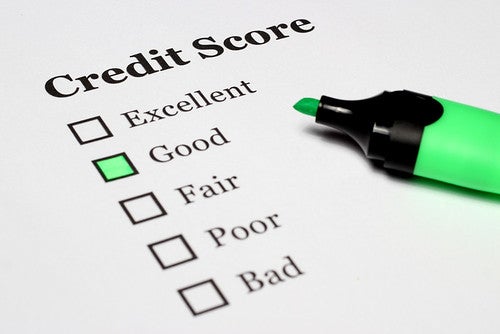
Green highlighter that colored in a multiple choice option for "Good" under a heading "Credit Score"

Can I get a car with a 500 credit score?

Yes, a 500 credit score will still qualify you for a car loan. However, credit scores affect the types of loans you are eligible for, as well as interest rates, loan amounts, and more. If you have a credit score that needs improving, it won't stop you from getting a car loan, only the terms. Let's take a closer look at how low credit scores impact your loan, what you can do to improve your credit quickly, and what you'll need to do to get a loan even with less than perfect credit. more How Do Credit Bureaus Calculate Credit Scores? Image via Flickr by cafecredit via CC BY 2.0 You must first understand that to improve your credit, you must understand that credit agencies calculate your credit score using an algorithm. This algorithm factors your income, current debt, available credit, payment history, and more to determine your credit score. Lenders use your credit score as the basis for calculating the potential you represent to pay a loan in full and on time. Borrowers with a lower credit score represent a higher risk of on-time car payments. Therefore, borrowers with lower scores incur higher interest rates to offset the lender's risk. Credit scores fall within the range of 300 to 850 points. The credit bureaus refer to scores ranging from 300 to 579 points as Poor, a rating that 16% of Americans tend to have. With a credit score between 580 and 669 points, you have a Fair credit score, as do 17% of Americans. Meanwhile, 21% of Americans have a Good credit score within 670 and 739 points, while 25% have a Very Good credit score between 740 and 799 points. Finally, those with a score of 800 points or higher have an Excellent credit rating. Improve Your Credit Score Americans tend to have an average score of 710. That said, over 20% of all auto loans are extended to those with credit scores under 600. So if you have no credit or poor credit, you might not have to do much to improve your score and get a car loan. Experts recommend checking your credit score often. Creditors report to the bureaus every month, which means your score changes every month. If you continue to make payments on time, your score will rise. Conversely, if you have late payments or other derogatory marks against you, your score will drop. Often, people have errors on their credit reports for instances that don't belong to them. Disputing these errors and getting them removed will quickly raise your credit score. Your debt to income ratio factors into your score. Financial advisors recommend keeping your debt to income ratio below 30%. That means if you have an annual income of $40,000 you should carry no more than $12,000 in debt. In this situation, if you could get your debt down to $8,000 you'd have a 20% ratio which can raise your credit score considerably. For instance, if you were to receive a $4,000 tax refund in April, you can pay down your debt to increase your credit score rather than spend it on a new television and living room furniture. A higher credit score can lower your interest rate on a car loan saving you thousands of dollars each year. Another trick financial experts suggest is to get another credit card, which sounds counter-intuitive, but actually works. Your available credit also factors into your credit score. If you have little or no available credit, this lowers your credit score. Getting another credit card will increase your available credit and increase your credit score. Hard credit inquiries have a temporary negative impact on your credit score, so applying for a credit card will lower your score in the near term. Most of these inquiries fall off your report within months, but some take over a year. Hence, if you want a quick credit score increase, adding a new card might not help. Get Pre-Qualified for a Loan Getting pre-qualified for a loan only requires a soft credit inquiry, which means you can shop around for loans and get competing offers without impacting your score. It would help if you shopped for a loan like you would anything else you consider buying. You wouldn't pay full price for a pair of pants when you can get them somewhere else at 50% off. Why would you pay more for a car loan? Shopping around for the best rates only makes good financial sense. At Rydell Outlet Center, you can quickly get pre-approved for a loan using our online financing application. Then, in minutes, you'll have your answer and can begin shopping for your dream car, truck, or SUV. Consider Getting a Co-Signer Getting a relative or friend to co-sign for your car loan can save you money. If you have no credit history, a co-signer might be necessary. A co-signer will put their creditworthiness to work on your behalf because they will be responsible should you fail to repay the loan. In addition, by getting a co-signer, you may qualify for a larger loan, giving you more buying power. Speak with Our Finance Department Our finance managers are experts at finding loans that fit your budget regardless of your credit. We've cultivated relationships with many local North Dakota and Minnesota lenders. Many have programs in place to support buyers with little or no credit. We leverage these relationships every day to get our customers a loan that works. After a quick assessment of your financial situation, our team will determine which loans work best for you. Then, we'll give you several loans to choose from, giving you the information to make the best decision. At Rydell Outlet Center, we understand your credit score doesn't necessarily reflect your commitment to paying your bills. Things can happen in life, like losing a job or medical situations arise. These events can negatively impact your score, but we believe everyone deserves the right to own a car. We invite you to contact our finance department online or stop by to discuss your situation. Our team of experts can find you a loan that makes sense for your situation and get you behind the wheel of that car, truck, or SUV you've always wanted.

A word cloud featuring finance related terms written in grey and green with "Interest" in the middle

What Is the Best Auto Loan Company for Bad Credit?

If you've been denied a car loan from traditional vendors, don't give up just yet.  You might not realize it, but many companies market loans specifically to those buyers with poor or even no credit. So, if you need a new car and your credit score isn't where you want or need it to be, you have options. We've put together the following list of lenders with a breakdown of loans offered to help you find a lender that will work with you. We've also given several definitions of terms you should understand before you begin shopping. more Important Loan Definitions Image via Flickr by EpicTop10.com via CC BY 2.0 The following includes standard terms you'll come across as you shop for a loan. It's essential that you understand their meaning, as they directly impact your loan. Loan Term - This refers to the length of time it will take to pay off your loan. Lenders usually express these in months. Car loans can run as few as 24 months and as long as 84 months. Rarely will you see a term longer than seven years. When shopping for auto loans, especially on a new vehicle, financial experts recommend keeping the loan length as short as possible. New cars depreciate quickly, and with a longer-term, you can find yourself upside down or underwater, which means you owe more on the vehicle than it's worth. Soft Credit Pulls - As you shop for a loan, many companies will run a soft pull on your credit report to begin the process. A soft pull allows the lender to look at a portion of your credit report without affecting your credit score. From this, they make a pre-qualification loan offer to you. This prequalification offer doesn't guarantee you a loan, but if the remainder of your credit falls in line with the portion the lender looked at, you likely will get approved. Hard Credit Pulls - A hard credit inquiry pulls your entire credit report and does impact your credit score. Try and avoid a hard credit pull until you're happy with the terms offered on a specific loan you've been pre-qualified for first. Online Marketplace Lenders Searching for a car loan can take time. By using an online marketplace, they search out loans for you. You'll get multiple lenders making pre-qualified offers from which to choose. Below we've listed several for you to consider. Autopay - You'll get a wide range of auto loans, from traditional new car loans to used car loans and even lease buyout loans. You'll receive offers from conventional lenders, actual dealerships, and private party loans. After pre-qualifying, you'll get estimated rates and terms without affecting your credit score. Autopay also provides a wide range of loan amounts, from $2,500 up to $100,000. In addition, you'll get access to additional products through Autopay, like gap insurance and service contracts. Autopay also allows co-applicants, which can help you qualify for better rates and higher loan amounts. MyAutoLoan - With MyAutoLoan, you'll get up to four offers in minutes after a soft credit pull prequalification. MyAutoLoan provides a wide variety of loans on new and used vehicles, refinance loans, and lease buyouts from traditional lenders and private parties. Your loan must be for a minimum of $8,000 and the car must be ten years old or newer. Terms run as high as 72 months through MyAutoLoan lenders, depending on your eligibility. Eligibility requirements include a minimum income of $21,000, a FICO score of 575 or higher, and be 18 years of age. MyAutoLoan offers loans to those with a bankruptcy listed on their credit report, provided it was discharged or dismissed. One-Stop Shopping Lenders The ability to shop for a loan and a car in one place can make the process easier, which sounds very similar to a car dealership. Yet, if car dealerships have turned you down, you can still find companies online that will find you a loan and a car in one place. Carvana - At Carvana, you get access to their inventory of cars where you can pick up your vehicle once you receive loan approval through their network of vending machines. You can easily pre-qualify with a soft credit pull and begin shopping online. Carvana's prequalification expires in 45 days, while other lenders' pre-qualifying offers expire in 30 days, giving you additional time to shop. Carvana's eligibility requirements include a $4,000 minimum annual income, which helps many low-income buyers get a loan. Carvana won't write a loan to those with an active bankruptcy or allow co-applicants. You only have one loan type through Carvana, and you must purchase a vehicle from their inventory. If you don't like the terms of the loan or the types of cars they have in their vending machines, you should look elsewhere. Vroom - Another online retailer, Vroom, provides you with a loan and a vehicle in one online visit. Vroom doesn't have vending machines where you pick up your car. Instead, they will deliver your vehicle to you with a modest delivery charge. They offer multiple loan types and from various lenders. You can trade in your old car as well, providing you more buying power. The Truth About Bad Credit Loans Millions of buyers may avail of car loans if they don't want to cash out for a vehicle outright. If you have good credit, you will qualify for a lower interest rate. As your credit score gets lower, however, your interest rate increases. You may also find fewer lenders willing to write loans to buyers with bad credit because of the higher risk. Experts recommend improving your credit before applying for a car loan, but it can take anywhere from one to six months to see significant improvement. If you must buy a car sooner, be prepared to pay a higher interest rate. Higher rates raise your monthly payments. Extending the loan term will offset this and lower your monthly payment, but you run the genuine risk of going upside down on your loan. If you extend the length, be sure to cover yourself with gap insurance and a vehicle service plan. At Rydell Outlet Center, we understand the challenge you face in buying a car with bad credit. That's why we have programs in place specifically designed for those with poor credit or no credit. We also have an expansive inventory of vehicles to fit any budget and lifestyle. Go ahead and get pre-qualified online and begin your search knowing with confidence what you can afford while you shop our selection of quality cars, trucks, and SUVs.

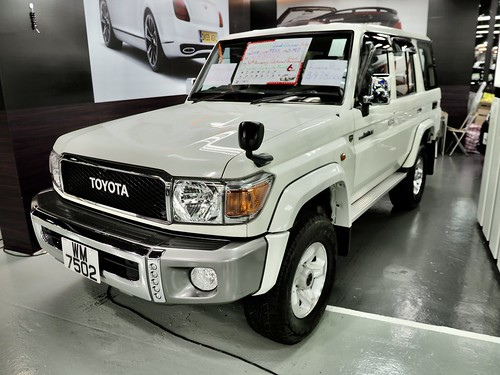
White used Toyota car for sale | Rydell Outlet of Grand Forks

What Cars Last the Longest?

When you buy a used car, you want it to last forever. You don't want a string of repairs and worries. We all know someone who's spent good money on a nightmare. How can you avoid buying a money pit? Number one: buy from someone you trust. Rydell Outlet Center is an extension of the same group that has been supplying great new and used vehicles to the North Dakota/Minnesota area for almost 70 years. We don't sell bad used cars. At the Outlet, finding diamonds and exceeding expectations is our specialty. more Second, a vehicle's longevity is partly connected to care and maintenance. Take care of it and it will take care of you. No one builds a bad car these days and 100,000 miles is easy to achieve. Yet research shows some makes and models consistently age well. Toyota and Honda dominate lists of cars most likely to reach 200,000 miles. Both companies have always been dedicated to reliability and quality above all else. It shows. In 2019, 1.8% of all used Toyotas and 1.6% of Hondas sold had over 200k on the clock. Another common feature among high-mileage machines: many are established full-sized trucks or body-on-frame SUVs. They haven't changed much over the years and they have simple powertrains. So what would we suggest to drive into the sunset and beyond? Toyota Land Cruiser Image via Flickr by Jones028 via CC BY 2.0 Since 1951, the Land Cruiser has taken wildlife guides safely in and out of the most dangerous biomes in the world. It's the second longest continuous production run of any automobile. Your commute might not involve lions or rhinos, but it could. Toyota continues to extensively test the Land Cruiser in the Australian outback, where heat and lack of resources can swiftly kill other vehicles. They've engineered a bullet-proof machine through generations of continual improvement. One of the most coveted engine options is the 2UZ-FE 4.7-liter V-8, designed specifically for low-revving, high-torque applications. It features DOHC cylinder heads, MFI fuel injection, 4 valves per cylinder and a cast aluminum intake manifold. For over a decade starting in 1998, this cast iron block appeared in the Land Cruiser as well as the 4Runner, Tundra, Sequoia, and Lexus GX/LX470. You might find one with the TRD bolt-on supercharger. A well maintained Land Cruiser will hold its value from 200k to 300k and beyond. Chevrolet Suburban Chevy first used the Suburban name in 1934. The title's been synonymous with durability and capacity ever since. Long before SUVs were ubiquitous, the Suburban was what you chose to drive everything and everyone everywhere. It was originally known as the Suburban Carryall and it continues to live up to that mission. Available with three benches since the 1990s, it's one of the rare vehicles that can seat nine. Underneath it all, the Suburban is a Chevy Truck. It's rugged, easy to repair, easy to source parts for, and features the same reliable engines as their Silverado siblings. The seventh generation was built from 1973 to 1991, far longer than any other version. It's the classic giant box that's been eating trails while loaded with camping gear since before "SUV" was a term. If you can turn a wrench and keep a truck running, you can keep a 7th generation Suburban going for another decade. Want something newer? The tenth generation (model years 2007-14) features a more aerodynamic shape and was also offered as a GMC Yukon XL. The 2010 model was named US News & World Report's number one affordable large SUV. You could get one with a 5.3, 6.0 or 6.2-liter V-8. Honda Ridgeline Honda took everything it knew about long lasting cars and made their first attempt at a modern pickup truck in 2006. They were looking to pull buyers from sedans, minivans, and SUVs and into pickups. While the styling isn't for every truck person, you can't doubt the utility and versatility. The first generation features innovations like a locking in bed trunk, a dual action tailgate, an in bed audio system, and more ingenious storage than truck owners were used to at the time. This first model was powered by a transverse mounted 3.4-liter V-6. The exhaust manifolds are cast directly into the cylinder heads of the aluminum block engine. This setup has proven to be near bullet proof when maintained on schedule. The Ridgeline will deliver the worry-free ownership experience you expect from a Honda car. Ford Expedition For many of the same reasons the Suburban is a classic, Ford's example of a full sized SUV eats up miles without complaining. It doesn't have the pedigree of the Suburban name, but Ford's been playing in the dirt since the Bronco and before. The Expedition also benefits from being the stablemate of the world's best selling truck. Launched in 1997 as the heir to the Bronco, it's their first full-sized four door SUV. It is mechanically a version of the F150, so parts from every generation are easy to find and so are qualified mechanics. The Lincoln Navigator is the same, but with a different badge and nicer appointments. You can find both models in extended versions and sometimes with EcoBoost engines. You might prefer the simplicity of a Ford V-8, however. Toyota Tacoma Few things have ever been more dependable than the most basic Toyota pickup. Whatever the decade, they hold their value. The Tacoma name was introduced in 1995 and it carried the durability with it. The basic 2.4-liter four-cylinder is a direct descendant of the engines that won't stop pushing old Toyota trucks around. You might find a rugged TRD model or one with a 4.0 V-6. If well taken care of, you can continue to flip the odometer. When searching for a great new-to-you vehicle, remember to ask the right questions, stick to simplicity, and shop with trustworthy people. Rydell has thrived in Grand Forks since the 1940s by selecting only the best used cars. Our new dealerships are a source of outstanding trades and we value our people above all else. You'll find only the best pre-owned selection and the most helpful staff at the Outlet Center, so come by and have a drive.

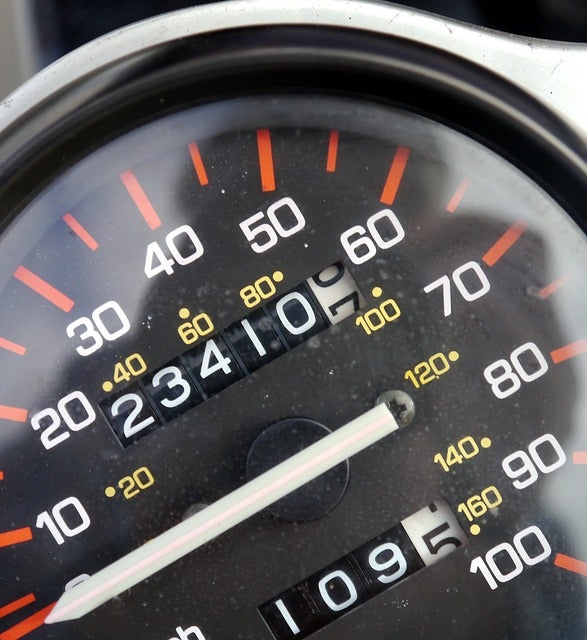
Close up shot of a speedometer

Should I Buy a Used Car With High Mileage?

When shopping for your next vehicle, you may come across some used models that have a lot of miles on them already. Seeing a lot of miles on a vehicle concerns you, and you're not sure if this is where you should spend your money. However, there are other things you should think about besides just the mileage. When you take other factors into consideration, you may discover that a high-mileage car actually makes sense. Below are some things to consider before making your decision. more Vehicle History Report Image from Pixabay by ImageParty First, you should get a history report on the vehicle you're considering. A vehicle history report will tell you important information such as whether the car has been in any serious accidents, has had flood damage, or needs major repairs. If you get a vehicle history report back that shows no other issues, then the high mileage doesn't matter as much. A vehicle with a lengthy accident history or that needs major repairs should be a bigger factors than the number of miles on it. The Age of the Car Another thing to consider is the age of the vehicle. There's a difference between a car that's 10 years old with 50,000 miles and a 1-year-old car with 50,000 miles. The first car was seemingly used sparingly throughout its life, while the second car was used extensively over a short period of time. The average car gets about 12,000 miles on it per year. Take this number and multiply it by the number of years to see if the car you're considering is above or below average. Brand of Vehicle Some car brands simply last longer than others. Whenever you're shopping for a used car, you'll want to consider the brand when trying to figure out how many more miles you'll be able to get out of the vehicle. Getting a car that's known for its reliability at high mileage can ensure that you are spending your money wisely. For example, both Toyota and Honda are known for producing vehicles that can reach over 200,000 miles. Therefore, a Toyota with 120,000 miles may be more attractive to you than a vehicle with the same number of miles from some other brand. Spend some time researching the brand and model of vehicle you're considering and see how long it can last. Maintenance History Whenever possible, you should get a maintenance history of the vehicle you're considering. Regular maintenance is one the best ways to keep a vehicle on the road for a long time. Learn what type of maintenance has been done recently and how often maintenance has been performed. Also, take into account the time between maintenance jobs and not just the number of miles. The reason for this because cars still need maintenance even if they are not used a lot. So, even if the last service update was 1,000 miles ago, if it's been a few years, it may need another service update to flush and replace fluids. Another thing to learn is whether the car has had major repairs recently. For example, if the vehicle has a brand-new transmission, this means your transmission has fewer miles on it than the rest of the vehicle. Since a transmission is one of the more expensive and likely repairs as a car gets older, having a new transmission would be something to consider when looking at a vehicle.. Price of the Vehicle Finally, it all really comes down to the price of the car. While a car may have high mileage, if you only need it for a short time and it's at a reasonable price, getting a high-mileage car may make sense. On the other hand, if you plan on driving this car for the next 10 years and it seems a little overpriced, getting this high-mileage car may not be the best idea. A good method is to use an online tool to determine the value of the vehicle. Then examine your car buying budget and see what you can reasonably afford. If the numbers are close, don't let the fact that the car has a lot of miles deter you too much. Whether you can afford the vehicle is typically much more important than the number of miles already on it. Should I Buy a Car or Truck with High Mileage? In the end, the answer to the question “Should I buy a used car with high mileage?” is “It depends.” Every car is different, and the number of miles is only one factor to consider. You may find a vehicle with 150,000 miles that's actually in better shape than one with 75,000 miles. When shopping for a used car, try to think about it in terms of how many miles you'll get out of a car rather than how many miles it already has. You're essentially paying for how long the car will last and not how long it's been around. Its history can help you determine how long the car may last, and therefore how much you should pay for it, but you're still paying for future use. Start the Car Buying Process in Grand Forks, ND If you're interested in buying a used car or truck, please turn to the pros at Rydell Outlet Center in Grand Forks, North Dakota. We have a wide range of used vehicles available, with all sorts of mileage numbers on them. Our team is always happy to take you through our inventory and provide you with any information you need about a vehicle's history to help you make a decision. Our team works hand in hand with customers, including those who are first time car buyers and know how to find the perfect car, truck, or SUV for you. To get started, you can browse our inventory of used vehicles online today. Also, be sure to check out our used car specials to get even more of a discount. Feel free to contact us with any questions or to set up a test drive. We know that buying a used car is a big decision, and we'll do whatever we can to make the process a little easier for you. Whether it's a car with 1 mile or 100,000, we'll help you find a reliable vehicle that's perfect for your situation.

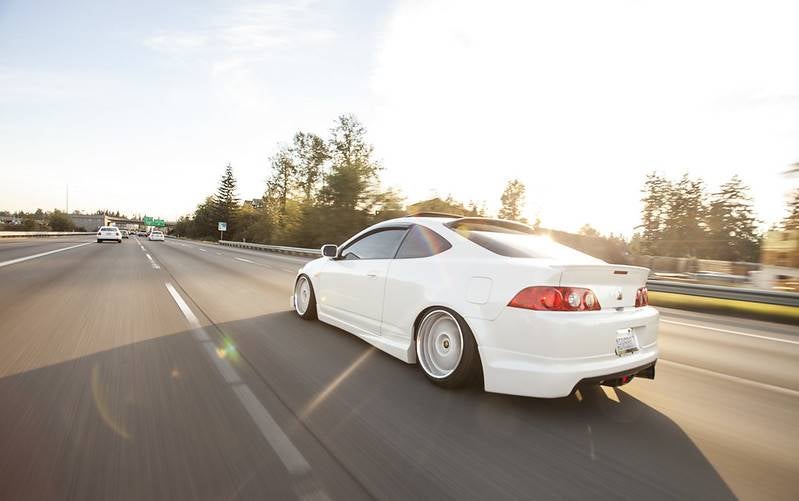
White car on highway from behind with sunny sky

Can You Buy a Good Car for $10,000?

With the price of new vehicles always on the rise, car buyers on a budget, or those with bad credit may wonder if they are priced out of the market. If you are looking for a good car for around $10,000, it might surprise you to learn that there are options out there. You can purchase a good and reliable vehicle that won't break the bank. At Rydell Outlet, we only specialize in reliable used vehicles under $10,000. Our goal is to help those car buyers on a budget find a vehicle from a brand they know and trust. As part of the Rydell family of stores, you will get the same customer service that you would expect at any of our other full-service dealerships. more How to Know Which Models Are the Best? Image via Flickr by bthai Numerous consumer agencies and publications have done all the hard work for you, so it's easy to search for the best vehicles under $10,000. Reliable publications such as Kelley Blue Book, U.S. News, and Consumer Reports have their top choices for the best vehicles to buy for less than $10,000. Here's a look at some of the options in various size categories. Best Compact Vehicles Under $10,000 Kelley Blue Book lists the 2014 Honda Civic as its top pick for compact cars under $10,000. The Honda Civic is reliable and provides excellent value. The Civic comes with many standard features and is easy to keep maintained. Another solid pick is the 2014 Toyota Corolla. Corolla has an excellent reputation, and it retains its resale value. You can expect reliability and high quality with this vehicle. U.S. News ranked the 2011 Chevrolet Volt as their top pick for a smaller car under $10,000. When it debuted, it was one of the most efficient cars available. With a decent electric-only range, you can save money on gas, too. Their second pick is the 2012 Honda Fit, which received top marks for its fuel economy. Consumers ranked it high for its spacious and versatile cargo area, good handling, and fun-to-drive experience. The 2014 Chevrolet Sonic gets high ratings and is one of the lowest-priced used vehicles. The Sonic comes in both a hatchback and sedan version. Enjoy some zip with your Sonic and its 138-horsepower four-cylinder turbo engine. The Sonic came standard with a five-speed manual transmission, but there was also an available six-speed automatic transmission. Try to find a used vehicle with the Chevy MyLink 7-inch touchscreen infotainment system, plus a USB port. Both the sedan and hatchback seat five people with plenty of space. Best Midsize Vehicles Under $10,000 If you're in the market for a midsize family sedan, look for the 2011 Toyota Camry. The Toyota Camry maintains a stellar reputation for its dependability. The Camry offers comfortable seating for five, and the four-cylinder version has good fuel economy. There's also a V-6 option if you want a Camry with some extra horsepower. When you look at vehicles that are a little older, you can find some deals on larger cars, as well. The 2010 Hyundai Azera is one of these vehicles. The Azera has ample room for you and your family, plus plenty of features, including dual-zone climate control, power-adjustable driver's seat, and a six-speaker auto system. The top trim levels have navigation, 10-speaker Infinity audio system, sunroof, and leather upholstery. Best Luxury Vehicles and Sports Cars Under $10,000 If you're in the market for a luxury vehicle, consider the 2010 Cadillac CTS. There's a sedan or CTS Sport Wagon version available, with a V-6 engine with either 270 or 304 horsepower. A manual transmission was also an option for this vehicle, something not commonly seen with luxury sedans. You can even find a convertible sports car under $10,000. The 2010 Mazda Miata comes in well below that price. The Miata doesn't have the fast engine that some other sports cars do, but it has plenty of zoom. It is lightweight and only seats two, so it's not the right sports car for everyone. You can find both manual and automatic versions. If you're looking for an American muscle car, the 2010 Ford Mustang or 2010 Chevrolet Camaro will also fall under the $10,000 price tag. 2010 is when Camaro first returned to the market after a hiatus and came in both a V-6 and V-8. The 2010 Mustang comes in under $10,000 if you look for the V-6 or V-8 engines. Don't expect to score a Shelby GT500 for under $10,000 unless it was involved in an accident previously. Best SUVs Under $10,000 The 2010 Toyota RAV4 is a compact SUV that still has room for five people. You may be able to find the RAV4 with a four- or six-cylinder engine and either a front- or all-wheel drive. It has received good marks for safety and reliability. If you want a crossover, the 2011 Nissan Murano is a great option. It's a midsize crossover with plenty of room and an excellent array of features. Best Trucks and Vans Under $10,000 Minivans and trucks aren't cheap, but there are some deals to be had. Look for the 2010 Toyota Sienna, which can be found under $10,000. Because minivans hold their resale value so well, you have to go back a few years to find an affordable one. This van can seat either seven or eight passengers and came standard with front-wheel drive and a 256-horsepower V-6 engine. Depending on which trim level you find, the sliding door could be manual or power. Like minivans, trucks can hold their resale value well, so you need to go back a few years to find one under $10,000. You can find larger trucks such as a 2004-to-2014 Ford F-150 for reasonable prices. Given that the F-150 has been the best-selling truck in America for so many years, you are bound to find a wide selection of trim packages on the market. Contact Rydell Outlet in Grand Forks Are you ready to purchase a used vehicle? Contact Rydell Outlet today and check out our vast selection of used vehicles, all priced under $10,000. If you need a new car and are on a budget, Rydell Outlet can help.

Blue Audi driving on grass in the woods with sun rays

Should I Buy a New or Used Car?

If you want to buy a vehicle, you need to decide if you wish to purchase a new car or a used one. The question doesn't have an easy answer. Both have pros and cons that people view differently. That's why we created this article to help you understand the differences between used and new car ownership to make an informed decision. more Pros To Buying a New Car Photo by Arvid Skywalker on Unsplash The pros to buying a new car vary somewhat from person to person. We've listed some of the more common advantages that come with this decision. Lower Maintenance Costs - Today's cars are engineered better than ever before. New vehicles run better, longer than a car that may be 3-5 years old. Fewer breakdowns equate to lower maintenance costs. Warranty - Manufacturers offer vehicle warranties covering various parts of the car, from the powertrain to complete bumper-to-bumper coverage. These warranties vary in both years and miles driven, but you can drive off the lot with confidence knowing your new purchase has the manufacturer's backing should anything break down. That New Car Smell - Nowadays, you can buy air fresheners with the new car scent, but that doesn't quite capture this pro. When you buy a new vehicle, you get to enjoy a brand new vehicle. Everything works perfectly, and you get the joy of owning a new car. No matter how well somebody maintained a vehicle, it has wear and tear. The seats may be a little worn, or the carpet might have a stain. Minor imperfections in used cars aren't there in a new one. New Technology - Modern technology has elevated the driving experience in most new cars, and it continues to add new features year after year. Buying a new vehicle allows you to experience the latest in-vehicle tech you won't find on a used car. Easier To Buy - Manufacturers and dealerships constantly offer special pricing and interest rates on new cars to entice people to buy. You can get anything from zero interest to no payments for six months just to buy a new car. Some dealerships throw in free services like oil changes and tire rotations for the life of the vehicle. Pros To Buying a Used Car You Save Money - Let's face it. Buying a used car can save you thousands of dollars in the sticker price. If you finance, that translates to a much lower monthly payment. In some cases, you can save hundreds of dollars in monthly payments alone. Used Cars Depreciate Slower - A 3-to-5-year-old car has already undergone the most precipitous depreciation. Because of this fact, a used car holds its value longer than a new vehicle. If you decide to sell a used car in a few years, you'll have more equity built up than you would with a new car. Lower Insurance Premiums - Your used car costs less to replace should it become damaged or stolen. Therefore, the cost to insure it lowers. Cons To Buying a New Car Financial Commitment - Buying a new car costs more than buying used, sometimes tens of thousands more. Most people finance the purchase of a vehicle. The terms of the loan on a new car typically run between 5-6 years. That's a long time to be paying for a vehicle, so you need to be confident your budget can handle the commitment. Depreciation - New cars depreciate quickly, as much as 30% in the first few years. That drop in value could land you upside down on your loan if you decide to sell or trade the vehicle. Insurance Premiums - It costs more to insure a new vehicle, especially when you finance. Lenders want protection against theft or damage and will require comprehensive coverage and gap coverage. You could end up spending $100 or more each month in insurance premiums. Cons To Buying a Used Car Increased Maintenance Costs - Older cars have more wear and tear on them, so the likelihood that they will break down increases. Depending on the age of the vehicle, you could end up spending a few thousand dollars every year on repairs. If you don't have that kind of money in reserve, you may want to consider buying a new car. Less Warranty Coverage - Most dealerships will transfer existing warranties to the people buying used cars from them. Warranty coverage varies depending on the age and mileage of the vehicle. A 50,000-mile powertrain warranty on a three-year-old vehicle driven 15,000 miles per year will only have 5,000 miles remaining on it. You can protect yourself by purchasing extended warranties from the dealer, but not always. More Time In the Shop - A used car breaks down more often. Thus, it spends more time in the shop getting repaired. Can you live without a car for days at a time while your mechanic fixes the latest transmission malfunction? Things To Consider A good tip would be to calculate what you can afford before you shop. A careful review of your budget will reveal what you can absorb in a monthly payment. Don't forget to calculate fuel costs and insurance premiums. Another piece of good advice would be to create a list of those features you need and want and those you don't care about. This list will help you avoid buying a car and paying for features you don't need or won't use. A four-wheel-drive truck costs thousands of dollars more than a two-wheel-drive truck. But if you never take the truck off-road, why pay the extra money? It would help if you shopped around for car loans before shopping for a car. At Rydell Outlet Center, we can get you pre-approved for a car loan before shopping for a vehicle. Pre-approval will help keep you focused on those vehicles you can afford and prevent you from over-reaching financially. Contact Rydell Outlet in Grand Forks Ultimately, the decision to buy new or used comes down to your particular needs and budget. You can save quite a bit of money buying a used car from Rydell Outlet Center. If you don't have the budget for a new car payment, we can find a deal that works for you. You can contact us online with any questions. Our team will work to get you the right car at the right price.

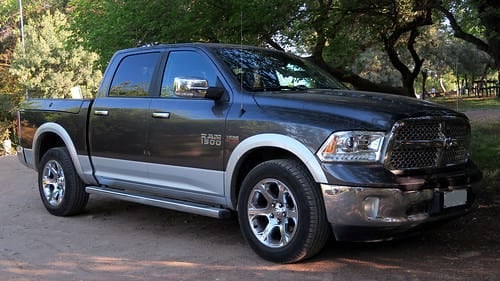
Used black RAM 1500 parked on street under trees

What To Look For When Buying a Used Truck

Buying a used truck allows you to get the pickup you have been yearning for at a bargain. However, price is not the only thing you should consider when looking to purchase a pre-owned truck. It is important to look past the surface and avoid getting blinded by the bells and whistles, so you can make a smart, thoughtful purchase. Here are a few recommendations from mechanics, dealers, and other used-car experts regarding what to look for when buying a used truck. more Shop Used Trucks Browse Used Truck Specials Pay Special Attention to Diesel-Powered Trucks Image via Flickr by RL GNZLZ Diesel-powered engines and vehicles are often more costly to repair than gas-powered options, so you should take extra care to check for issues with diesel trucks before making your purchase. You should also take extra care when inspecting trucks with more than 60,000 miles. Start by verifying whether the truck's coolant overflow reservoir, cap, or the coolant itself show any signs of diesel fuel. Any presence of fuel shows that the truck may have issues with the head gasket, exhaust gas recirculation cooler, or oil cooler, all of which are expensive to repair. Also, verify that the injector lines or injectors do not have leaks and that no leaks are present around the turbocharger. It's good to look at the vehicle's past history of accidents to see whether you can get proper insurance coverage. Verify the Warranty It is always advantageous to buy a truck whose drivetrain and smog system parts are still under warranty. Check the truck's drivetrain and verify that it matches the mileage and also verify the federal emission warranty, which offers a lengthy coverage for some pickups, extending up to 80,000 miles or eight years. Having a warranty is especially important in cases where a truck has very high mileage as it will be extremely costly to repair the transmission, computer, and engine when they are out-of-warranty. For extra peace of mind, consider buying the pickup from a dealer who offers an additional limited warranty for trucks that are fully inspected and serviced by their mechanics. Ensure That No Parts Have Been Removed or Disabled There are diesel owners who are notorious for removing certain parts from their trucks, like the muffler, diesel particulate filter, and the EGR cooler. Others might block or remove the EGR valve while attempting to make their trucks have more power. While those actions may offer enhanced power, they are against federal emissions laws. Anyone who had them removed should have replaced them before they put their truck up for sale, but you should take the time to check. If they have not been replaced, ask for a lower price, since they will cost thousands to replace. Use All Your Senses During the Test Drive Going for a test drive allows you to verify how the truck really performs while out on the road. Ensure that the transmission and engine perform correctly, work the brakes, and accelerate hard. Any potential suspension, steering, and drivetrain issues should be noticeable within the first 20 minutes of your test drive. Engage all your senses to see, hear, or smell red flags and also feel how the truck handles. Don't Forget the Transmission System Never forget to pull out the automatic transmission's dipstick before you agree to buy a used truck. Check the color of the fluid and start raising questions if it is anything other than reddish with minimal smell. The smell of burned metal and a brownish color are some of the signs that the transmission system is damaged. For manual transmission, short-shift into high gear and step on the accelerator energetically during the test drive to check if the clutch is working well. Chatter or slippage are indicators of issues within the gearbox. Play With the Gears Shifting gears allows you to check for odd sounds or grinding of transfer cases. Ensure that you check the appropriate gears, for example by putting a 4X4 truck into four-wheel drive. If you can, drive off-road and ensure that the front wheels are driving with the front hubs locking well. Check the rear wheels too by spinning them when the truck is in the two-drive mode and verifying whether the limited-slip functions properly. Crawl Under the Truck Get under the truck and check for fluid leaks, especially at the front. Leaks under the engine could mean serious problems in the water pump, front main seal, or a deteriorating gasket. Check for oil leaks near and around or under the axle housings and transmission. Also check the backside of the wheels for oil leaking from axle bearings or brake lines. It is best to do this check after the test drive since it is when most serious leaks will be evident. Ask for Service Records A detailed service record or logbook and receipts of work help to substantiate a seller's claims about their truck. It shows how well they maintained the vehicle and that they are making zero effort to conceal anything. It also indicates that the engine and transmission might have longer life spans due to consistent maintenance. Conduct Background Checks Use online tools and websites to conduct background checks on any truck you consider buying. These resources can show whether the vehicle has previously been involved in a crash, for instance, and whether the owner reported the repairs to their insurance company. Check the pickup's identification number too, in case it is the subject of outstanding recalls. Avoid Flood-Damaged Vehicles Flood-damaged vehicles should ideally be scrapped, but unscrupulous individuals can refurbish and seek to sell them. Such vehicles have damaged or weak electrical, fuel, and mechanical systems. You can avoid them by checking for signs of corrosion under the hood or carpets. Water marks on seatbelts, mold, bubbles under the paint, or mud or rust anywhere are also indications of flood damage. Contact Rydell Outlet to Schedule a Test Drive When you want to buy a used truck, it is best to buy from a trusted dealer who gives you a chance to inspect the vehicle properly and take it for a test drive. Contact us to schedule a visit to our Grand Forks, North Dakota, used car lot today to review our vast collection of certified pre-owned trucks.

Contact Us

Fill out this form below and we'll contact you shortly
*Required Fields