Blog / Used Car Buying Tips

Blog

All Used Car Buying Tips Local Tips Grand Forks Used Cars Things To Do in North Dakota Rydell Outlet Service Grand Forks Dealer
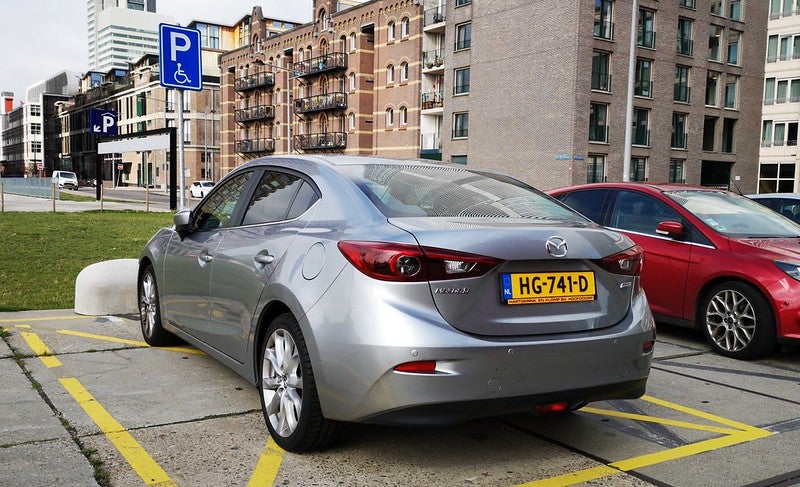
Silver Mazda3 sedan in parking spot

Best Cars for Teenagers

When your teen starts learning to drive, it's a very exciting time for them. Getting your own car, and the extra independence that comes with it, is a major step in growing up. But as a parent, you may have concerns about what the best vehicle is for your teen, and what driver assistance features they'll need to keep them safe. Or perhaps your teen is buying their first car, and you want to help guide them. On top of our first time car buying tips, we've put together a list of some of the best vehicles for teen drivers. You'll be happy to hear that purchasing a safe vehicle doesn't need to break the bank, since there are many used car options for you to choose from. more Mazda3 Image via Flickr by crash71100 Any Mazda3 from the 2014 model year and on is a great choice for a teen driver. And with a used price tag under $10,000 – around $7,000 to be precise – you can get one on a tight budget. The Mazda3 has been selected by the Insurance Institute for Highway Safety (IIHS) as a Top Safety Pick. The IIHS gave it the best marks in all six of its crash tests, while the National Highway Traffic Safety Administration (NHTSA) awarded it top marks in its frontal crash, side crash, and rollover tests. With a 2.5-liter four-cylinder engine in most models, the Mazda3 also possesses sufficient power to offer a solid ride. Your teen driver will benefit from good fuel economy numbers, with the Mazda achieving 28 mpg in the city and 36 mpg on the highway. Subaru Impreza From the 2014 model year and on, the IIHS recommends the Impreza as a top choice for teen drivers or college students. It provides an estimated retail price for a used Impreza of $8,700. The 2021 Impreza received five out of five stars from the NHTSA in its safety tests. The IIHS also gave this vehicle top marks in its crash tests. The Impreza comes with standard all-wheel drive, which makes its strong gas mileage all the more impressive. To get the most out of its 2.0-liter V-4 engine, you'll need to look for a used Impreza with a continuous variable transmission (CVT). This power train setup is good for 28 mpg in the city and 36 mpg on the highway. Toyota Corolla The Toyota Corolla hatchback is another solid pick for a first time driver. The IIHS recommends the 2019 model year or newer, and attaches an estimated retail price of $15,800 for a used Corolla. The Corolla has an excellent predicted reliability rating of 4.5 out of five, which is a measurement of how likely it is to be involved in crashes or present problems. In its latest round of safety tests, the NHTSA gave the car five out of five stars in its front crash test and four out of five stars for its rollover test. One standout feature in the Corolla is its wide range of standard safety systems. These include automatic emergency braking, front collision warning, and lane keep assist, which will come in handy for your teen when they're on the highway. Honda Accord If you want your teen to learn to drive in a slightly larger car, the Honda Accord might be the right choice. Available in a sedan or coupe, the IIHS recommends it from its 2013 model year and on for teen drivers. A used Accord has an estimated retail price of $9,200. The 2021 Accord obtained five out of five stars from the NHTSA in its three safety tests. You'll find Accords equipped with either a 1.5-liter turbocharged V-4 or a 2.0-liter turbocharged V-4. Both engines will supply plenty of power to provide your teen with an interesting drive. Volkswagen Passat The IIHS recommends the Passat's 2016 to 2018 models for teen drivers. Used Passats have an estimated retail price of $11,000. The IIHS gives the Passat excellent crash test scores across the board, and this mid-sized car features a good selection of standard safety features to support your teen driver. These include front collision warning, automatic emergency braking, and pedestrian detection. Buick Encore While SUVs can be more challenging to handle for a young driver, they have the advantage of offering your teen more protection if they get into an accident. The Buick Encore, from its 2016 model onwards, is one of the best small SUV choices for young drivers. The IIHS lists its estimated retail price at $10,600. The 2021 Encore got a good predicted reliability rating of 4.5 out of five stars, and received five out of five stars from the NHTSA in its safety tests. Its 1.4-liter V-4 engine offers a solid ride while delivering good fuel economy for a small SUV. Honda CR-V Another strong SUV option is the Honda CR-V. The IIHS recommends the 2015-16 model years, or any CR-V from 2019 onwards. It estimates the cost of a used CR-V at $12,200. Both the IIHS and NHTSA gave the CR-V top overall marks in their tests. This Honda SUV has strong standard safety features, and with a minimum weight of 3,300 pounds, it will provide your teen with plenty of protection in the event of an accident. Toyota RAV4 RAV4s from the 2015 model year onwards are well suited to teen drivers. The estimated retail price for a used RAV4 is $13,800. The RAV4 gives you excellent fuel economy numbers for an SUV at 28 mpg in the city and 35 mpg on the highway, which should help your teen save some money on gas. On top of that, newer Rav4 models are good for off-roading if that's important for your family. Nissan Rogue Try to find a Rogue from the 2017 model year or newer for your teen. The IIHS provides an estimated retail price for a used Rogue of $13,400. The Rogue has a strong selection of standard features, and a good predicted reliability rating of four out of five stars. Its 1.8-liter V-4 engine provides decent power for your teen's daily driving needs. Buy Used Cars in Grand Forks, ND We hope this list of safe and reliable used cars for teen drivers has helped you in your search. Here at Rydell Outlet, we have used cars like these at reasonable prices. If you'd like to arrange a test drive or look at our inventory, contact us today to get started!

Interest and financing word cloud for used car interest rates

What's a Good Interest Rate on a Used Car?

Interest rates vary by industry. Home loans have interest rates between 2.5-5% or more. Many department stores offer introductory rates with zero interest for the first six months, up to several years. You'll find rates fall anywhere from zero up to 15% or more in the auto industry depending on whether you're buying new or used. So what qualifies as a reasonable interest rate on a used car? This simple question has a more complicated answer than you may have thought. Let's take a closer look at what interest rates are, how they get set, and how you qualify for the lowest possible rate. more What Is an Interest Rate? Image via Flickr by scootergenius02 Lenders define their interest rates as the amount charged a person to borrow money per period (usually a year) and calculated as a proportion of the total amount borrowed. Lenders express interest rates as a percentage of the entire loan. Over the life of a loan, the total amount of interest paid depends upon the total amount borrowed, the interest rate itself, the compounding frequency, and the length of the loan. In simpler terms, interest equates to the price you pay for the privilege of using someone else's money. You aren't always on the paying side. You may have a savings account or IRA that earns interest for you. That's the fee you earn from the bank for allowing them to hold your money. How Does an Interest Rate Work? A simple interest loan formula looks like this: Amount Borrowed x . So if you borrow $20,000 at an interest rate of 5% and a term of 5 years solving the formula looks like this: 20,000 x [1+(.05x5)} 20,000 x (1+.25) 20,000 x 1.25 = 25,000 Over the life of this loan example, you'll pay $5,000 in interest. Now, if you have an interest rate of 2.5% instead of 5%, the same loan will cost you $2,500 in interest. Now you can understand how impactful an interest rate can be to the cost of a loan. Annual Percentage Rate vs. Interest Rate? Annual percentage rates (APR) include fees associated with the loan. The inclusion of these fees raises the APR, only slightly in most cases than the actual base interest rate. APRs provide a way to measure the overall loan cost. In the auto industry, these fees can include sales tax, paperwork charges, and title costs. The formula to calculate the APR looks like this: Add the total interest paid over the life of the loan to the total fees. Divide that total by the amount borrowed. Divide that number by the number of days in the loan term. Now multiply this number by 365. Multiply the result by 100. Using the above 5% loan with $1,000 in fees the solve looks like this: 5,000 + 1,000 = 6,000 6,000 / 20,000 = .3.3 / 1,825 = .00016438.00016438 x 365 = .06.06 x 100 = 6 The APR for this loan comes to 6%, slightly higher than the actual interest rate of 5%. When shopping for loans, it's essential to look at both the interest rate and the APR. The APR gives you the total cost of your loan, including fees. What Affects My Interest Rate? Many things affect your interest rate, but the number one factor will always be your credit score. The better or higher your credit score, the better or the lower rate you will qualify for from the credit companies. Credit scores get separated into five categories: Super Prime, Prime, Non Prime, Sub Prime, and Deep Sub Prime. If you have a Super Prime credit score of 720 or higher, you will qualify for the best interest rates. Conversely, if you have a Deep Sub Prime credit score of 579 or lower, your interest rate will be much higher, or you might not even get approval for a loan. It's important to understand that when you see a loan rate advertised, that rate correlates to Super Prime credit scores. The length or term of the loan also impacts your interest rate. The shorter the term, the lower the rate becomes. How Can I Get a Better Interest Rate? The first step would be to check your credit report. You can get a free credit report every year, and if you don't already check this report, you should start now. Examine your report for discrepancies that happen more often than you might expect. You can take steps with the credit reporting agencies to correct these discrepancies and improve your credit score. Your debt to income ratio impacts your creditworthiness too. This ratio reflects the amount you owe versus the amount you earn annually. You might be better off waiting a year and paying down your debt before taking on a used car loan if you can. Paying your fees upfront rather than financing them will lower your APR. If you can, negotiate these fees down and pull them out of the loan to save money in the long run. Average Rates on New and Used Car Loans Interest rates fluctuate daily as a result of market influences in our economy. You should check the current rates with your bank or credit union, local car dealerships, and national credit institutions to get real-time rates when you're ready to purchase a vehicle. You can expect an interest rate as low as 2% on a new car loan and 3-5% on a used car loan from many lenders if you have a Super Prime credit score. These rates climb as your credit score drops, so keeping your credit score high will help you secure the best possible rate. Many car dealerships offer in-house financing, meaning the dealership loans you the money. This in-house financing allows them to write loans at whatever rates they choose, but you can expect them to stay close to market averages. Apply for Used Car Loans Online in Grand Forks At Rydell Outlet Center, we understand the need to stay within your budget. Our finance department are experts at identifying the best loans to fit your budget. We have relationships with local and national lenders that we leverage on your behalf. You'll always get a fair and honest price on a used car from us, and our comfortable loan process will have you approved without worry. We encourage you to take advantage of our convenient online pre-approval application. Or, contact us to speak with one of our finance experts to discuss the different options available to you.

Man with watch driving car pictured from rear seats

What To Do After Buying a Used Car

You've completed your research, taken vehicles for test drives, and considered your financing options. You're ready to purchase a used car. Securing the vehicle's title, registering it in your name, getting the car inspected, and obtaining vehicle insurance are some of the many tasks you'll need to complete to make your new used car your own. more What Should You Do Immediately After Buying a Used Car? Image via Unsplash by whykei After purchasing your used car, you'll need to complete some paperwork to transfer the vehicle to you as the new owner. Bill of Sale You'll receive a bill of sale after you purchase the car. The bill of sale serves as a receipt for your purchase. It contains the names of the buyer and seller, purchase price, and applicable fees, taxes, as well as related terms. Keep this bill of sale with other vehicle records in a secure place at home. Insurance Before you drive your used car off the dealer's lot, you'll need to insure your vehicle. Obtain the car's VIN and send it to your insurer so that you have the correct coverage in place before you complete your vehicle's purchase. Many dealers will request to see proof of insurance before proceeding with a vehicle purchase. Securing an insurance plan for your car as early in the buying process as possible can promote a smooth sale and help you with budgeting your vehicle expenses. Talk with your insurer about your insurance coverage options. The following factors can contribute to the cost of your vehicle's insurance: The deductible. The type of vehicle you're purchasing. The vehicle's value. Your age. Your credit score. Your home location. Additionally, having a good driving record, owning a home, and owning multiple vehicles can help you qualify for vehicle insurance discounts. Drivers must carry minimum liability insurance with coverage up to $25,000 for each injury per accident. You can purchase optional insurance coverage, such as collision, comprehensive, protection against uninsured motorists, and medical payments. Consult with your insurer to determine the best coverage for your needs. If you're financing your used vehicle, your state may require you to hold liability, comprehensive, and collision coverage until you've paid off your vehicle loan. Temporary Tags Many dealerships will offer you temporary 30-day tags to cover the time between purchasing the vehicle and registering it with your state's department of motor vehicles. This temporary registration accompanies the vehicle's insurance and title documents. Place the temporary tags on your vehicle until you receive your permanent license plates. Title Transfer and Vehicle Registration When you buy a used car from a dealership, the dealer will assist you with the title transfer and vehicle registration. Before you register the car in your name, you'll need the following items: Proof of address. Proof of insurance. Several forms of ID. The vehicle title in your name. Vehicle emissions test and safety inspection. Consult your state's department of motor vehicles to confirm vehicle registration requirements and any applicable fees and taxes. After you receive your vehicle's registration information, place it inside your car, such as the glove box. Before you transfer the title, you'll need the following documents: Dealership invoice and bill of sale for the vehicle. The current title (if the vehicle has been previously owned and titled). The Manufacturer's Certificate of Origin (if the vehicle has not received a title). If you plan to finance your new car, the dealer and the lender will hold the vehicle's title until you pay off the loan. Once you've fully paid the loan on the vehicle, the title will be transferred to your name and mailed to you. Once you receive the title, keep it in a safe place in your home, not in your vehicle. If you're not financing, the dealer will handle the paperwork to transfer the car's title to your name. Should You Service Your Used Car After Purchasing It? When dealerships acquire used cars, they inspect the vehicles and address required maintenance items before placing them on their lots for sale. Upon purchasing your vehicle, you can request the dealer's service department to recheck the following items before you drive the vehicle off the lot: Air and oil filters. Brakes and brake pads. Condition of and proper inflation for the tires. Fluid levels in the engine. Regardless of the age of the vehicle you purchase, regular maintenance and servicing are necessary to keep your used car in the best operating condition possible. Create a schedule so that you can keep on top of regular vehicle maintenance tasks, such as oil and oil filter changes and tire rotations. Check with your state's department of motor vehicles to determine whether your vehicle requires annual overall maintenance checks and emissions inspections. Image via Pixabay by DokaRyan How Can You Get Familiar With Your Vehicle's Controls? Taking your car for a test drive at the dealership is one of the best ways to get familiar with a vehicle's controls and operations. Once you've purchased the vehicle and have brought it home, take some time to read the owner's manual. Inside the owner's manual, you'll find useful information such as your vehicle's ideal gas grade, proper tire pressure, the meanings behind various indicators on the dashboard, and important details related to your vehicle's manufacturer's warranty. In addition to reviewing the printed owner's manual, visit the vehicle manufacturer's website. Consult other reputable internet sources for information about your car and videos demonstrating your vehicle's features. Drive your new car around your neighborhood and your city so that you can explore these features for yourself when you're behind the wheel. Finally, don't forget to give your new vehicle a name. After all, it's now a member of your family. Buy Used Cars Online or In Person in Grand Forks If you're looking for a reliable used car in Grand Forks, North Dakota, visit Rydell Outlet Center. Our selection of used cars, trucks, and SUVs is tough to beat. We're dedicated to delivering the Rydell brand promises of low pricing, a no-pressure sales experience, competitive financing, dependable service, and full peace of mind for your purchase. Call us at 701-757-6140, contact us through our website, or visit our used vehicle showroom at 5500 Gateway Drive in Grand Forks.

What Is a CARFAX Report?

A CARFAX report provides the known history of any vehicle based on the 17-character Vehicle Identification Number (VIN). If you're in the market for a used car, a CARFAX report is a valuable source of information regarding a car's maintenance history, accidents, damage, use, and more. Read on to learn everything you need to know about CARFAX reports. more Information Covered by a CARFAX Report Image via Flickr by Crown Star Images. CARFAX reports provide a wealth of information about a vehicle that can help when deciding whether to buy it, including: 1. Accident Data A CARFAX includes all reported accidents involving the vehicle. The report also includes details such as the severity of the damage, damage location, repair records, air bag deployment, and structural damage. Collision repair shops, law enforcement agencies, insurance companies, and rental companies provide CARFAX with accident information. 2. Service History CARFAX reports include all recorded maintenance records. Service records usually include oil changes, tire rotations, brake replacement, transmission replacement, safety inspections, and any open recalls. Service history information comes from maintenance facilities, rental companies, inspection stations, extended warranty companies, and vehicle manufacturers. 3. Type of Use A vehicle's use history can tell you a lot about the amount of wear and tear on a car. A personal car has one owner. Rental, leased, or commercial vehicles are used by many people and usually have a lot more miles on the odometer. The CARFAX will also indicate if a car was a taxi or police vehicle. Rental companies, taxi companies, and law enforcement agencies provide information on a car's use history. 4. Ownership History A CARFAX report can tell you how many people have owned the car, where the car was used, and how long each owner held the car. Vehicle import/export companies and North American motor vehicle agencies provide ownership information. 5. Branded Titles Each CARFAX includes any title issues associated with a vehicle. This is perhaps the most important portion of the report, as title issues can indicate serious problems with a vehicle's mechanical systems, structural components, or legal status. Common branded titles include: Salvage title: A salvage title is issued to cars with damages that cost more than 75% of the car's value to repair. The percentage varies by state, but most states give a salvage title to cars that are not road-worthy and unable to be titled again in their state. Cars reported as stolen in the states of Arizona, Florida, Georgia, Illinois, Maryland, Minnesota, New Jersey, New Mexico, New York, Oklahoma, and Oregon also receive salvage titles. Junk title: A junk title is often used interchangeably with salvage titles; it indicates a damaged and unsound vehicle. Rebuilt/reconstructed title: A rebuilt title is given to salvaged vehicles that have been rebuilt and made operational again. Vehicles with a rebuilt or reconstructed title have often been severely damaged in collisions and rebuilt using refurbished parts. Cars with this title must be inspected before being considered road-worthy. Fire title: A fire branding is given to vehicles that have sustained major fire damage. Flood title: A flood brand is given to vehicles that have a history of flood or other major water damage. This branding can be found in vehicles nationwide, as flood-damaged cases often get transported across state borders for sale. Hail title: Vehicles that have sustained major hail damage receive this title brand. Texas and other states do not issue title brands for hail damage. Lemon aka manufacturer buyback title: A lemon title is given to any vehicle the manufacturer bought back because of extensive mechanical issues. A lemon is considered defective and unsafe to drive. Not actual mileage: This is a warning included in the title search when a seller certifies that the odometer reading is inaccurate. Inaccuracies occur when an odometer has been broken, replaced, or tampered with. Exceeds mechanical limits: This warning shows up on vehicles if the odometer rolls over. This can occur when a car with a five-digit odometer exceeds 99,999 miles. CARFAX gathers title branding information from many sources, including motor vehicle agencies, auto auctions, insurance companies, auto recyclers, vehicle manufacturers, and law enforcement. Limitations of CARFAX Reports Although they provide a wealth of information, CARFAX reports do have their limits. Not all states issue lemon titles, so a vehicle considered a lemon in one state will have a clear title in another. Although the average is 75% of a vehicle's value, each state is free to determine how much damage a car must sustain before it receives a salvage title. CARFAX reports only contain the information its sources provide. They might not include fender benders and unreported accidents in a car's history, for instance. It also takes time for information to show up on a CARFAX. For example, a CARFAX will not include information on a stolen car if the incident occurred within a week of the report date. If you're hoping to purchase a classic car, a CARFAX won't help you. CARFAX reports are unavailable for vehicles manufactured before 1981, the year the 17-character VIN system was standardized. Because of these limitations, a CARFAX report should not be the only source of information when looking at a used vehicle. As a rule, it is best to use CARFAX information along with a test drive and an inspection by a trusted, qualified mechanic at a dealership. How To Get a CARFAX Report Used vehicle sellers and many car dealerships offer free CARFAX reports for used cars on their lots. If you don't see a CARFAX for a car you're interested in purchasing, most dealerships will provide it upon request. If you're buying or selling a used vehicle in a private sale, you will need to purchase a CARFAX report yourself. You can purchase reports individually or get a package of reports if you want to compare multiple vehicles. Contact Rydell Outlet A CARFAX report can help reduce the stress of buying a used vehicle. If you are in the market for a quality used vehicle, visit us at Rydell Auto Outlet. Our friendly, knowledgeable staff can help you find the perfect car.

Handshake over an auto finance deal

How Much Should I Put Down for a $10,000 Car?

When you are purchasing a new or used car, you will need to determine whether you want to pay a down payment on the vehicle. Most people don't have the cash to purchase a vehicle outright and rely on auto loans to acquire the car. When you're taking out an auto loan, lenders may require you to make a down payment. If that's the case, you will need to determine how much money to put down. Let's take a look at what you need to know about this process. more What Is a Down Payment? A down payment is the amount of money you pay upfront when buying a vehicle. Some lenders require down payments while others don't, but you may want to consider putting money down regardless of the requirements. If you don't have the cash to put down, trading in your old vehicle is a form of a down payment as well. Your trade-in car's value will be subtracted from the total loan amount, just like a cash payment. Benefits of a Down Payment Putting money down on a vehicle has its benefits. When you fully finance a car, you will be paying the car's full cost with all of the added interest and typically end up owing more than the vehicle is worth. Putting money down helps to eliminate the financial strain by lowering your monthly payment, reducing interest, and keeping you ahead of the curve when it comes to the vehicle's value. In the long run, you will be in a better position to trade in or sell the car when you have made a down payment. Pay Less Interest A down payment reduces the total loan amount. In turn, this lowers the total interest you will pay over the life of the loan. If you are taking out a three-year loan on a $10,000 car with a 4.5% interest rate, you'll pay a total of $709 in interest. If you can put down 20% ($2,000), you will only have to pay a total of $567 in interest. Loan Approval Suppose you have a low credit score; paying a down payment can help you get approved for the loan you are seeking. Your credit score helps lenders weigh the risk they will be taking when giving you a loan. If you can't make a down payment, lenders have more to lose if you aren't able to make your payments, and they will have to repossess the vehicle. Pay Lower Monthly Payments Making a down payment can reduce the total loan amount and may lower your monthly payments in the process. Let's say you purchase a car without a down payment. With a three-year $10,000 loan at a 4.5% interest rate, your monthly payments would be $297 per month or more if you include the sales tax in the loan. When you make a down payment of $2,000 and borrow only $8,000 for the same vehicle with the same interest rate over three years, your monthly payment would drop to $238 per month. Offset Depreciation Used cars will lose an estimated 15% of their value per year. New vehicles depreciate faster by losing around 25% of their value per year. When you can afford to make a significant down payment, you can help offset the vehicle's depreciation and keep yourself from becoming upside down in a loan, where you owe more than what the car is worth. Since used cars lose value at a lower rate each year, they are often a better value than purchasing a new vehicle. Should You Pay a Down Payment? When a down payment isn't a requirement, should you put money down anyway? There's no simple answer to this question. If you have the money to spare or you're trading in your old car, the answer is yes. The answer is no when you need a vehicle but don't have the extra money or an old car with enough value to cover the down payment. If possible, you should always try to put money down upfront to help with interest and your monthly expenses. How To Calculate a Down Payment Some lenders will require a down payment regardless of your credit score or the cost of the vehicle. If this is the case, you will need to know the percentage the lender is asking you to put down. The more you can put down, the better, and it never hurts to have an old car to trade-in. Let's say you are financing a $10,000 car, and the lender is asking for a 10% down payment; you will need to put down $1,000 upfront. If you are trading in and your vehicle is worth $500, you will need to pay $500 cash. Auto down payment calculators such as the one found at Bankrate.com can help you run different scenarios when determining the ideal down payment for you. Look Over Your Finances Purchasing a vehicle is a significant investment regardless of its price. Take the time to look over your finances before you begin shopping for your next car. If you aren't already using a budget, you may want to implement one before adding a new monthly payment to your existing bills. A budget will help you allocate your income and give you an idea of the monthly payment you can afford. Organizing your finances into a budget will also help you determine how much you can afford as a down payment. Once you have these figures worked out, you will be ready to find and purchase a car. Purchasing a car can be intimidating, but being prepared for the process can help alleviate any pressure you feel regarding your budget and down payment. When you know how to calculate down payments and interest rates, you will have a better understanding of the auto loan process as a whole. Do your due diligence and research the value of the car you are interested in, reviews of the lender you are using, and how the purchase will impact your finances. Contact Rydell Outlet Have any questions about buying used cars in Grand Forks? We can help. Get in touch with Rydell Outlet to learn more about putting down payments on a car and anything related to used car finance.

How to Finance Your First Car with Low Credit

Buying your first car is probably one of the most exciting things in your life, but it can also be daunting. After spending days or weeks looking for your ideal vehicle, you also need to find a good auto financing deal. Obtaining an auto loan can be complicated if you're a young car buyer with little or no credit history. However, it isn't impossible. Check out this comprehensive guide on how to finance your first car with no credit. more Why Your Credit History Matters to Auto Lenders Image via Flickr by focusonmore.com When you apply for auto financing, the lender wants to know whether you can repay your loan on time before approving your application. Your credit history is one of the main factors lenders consider when determining the amount of risk you pose to them. If you've never used credit or don't have sufficient history of consistent, on-time payments, a lender is likely to regard you as a high-risk borrower. As a result, you might have a hard time securing the financing you need, especially if you want to borrow a large amount. Even if you manage to get your loan application approved, be prepared to pay a high interest rate, which can significantly drive up your overall cost of car ownership. How to Get an Auto Loan With No Credit While it's more difficult to obtain financing without a credit history, you can do a number of things to increase your chances of getting your first auto loan approved, including: Make a Large Down Payment Making a large down payment shows you've worked hard to buy your first vehicle, meaning you're truly committed to the purchase. If you're unable to come up with a substantial down payment, most lenders won't trust you with a car loan and the responsibilities that come with it. The general rule of thumb is to make a 20% down payment for a new vehicle and 10% for a used one. If you have no credit rating, try to save up a down payment of 30% for a new car or 20% for a used car. Gather Documentation Other than your credit history, a lender will look at many other factors to see if you can afford to make your monthly loan payments and eventually repay your debt. You may be able to convince your lender that you aren't a risky borrower by providing the following documents: A copy of your bank statement. Recurring bills such as phone and utility bills. Proof of employment, such as pay stubs. It's important to have at least these three types of documentation. If you have other documents that can serve as proof of income, submit them with your application, as well. The purpose of presenting these documents to the lender is to prove that you have a steady source of income and a good track record of making payments. The longer you've worked for a single employer, the more likely you are to get your loan approved. It shows the lender you're capable of holding a job for a long time. In addition, it might be worthwhile to try using an alternative credit-scoring model such as FICO XD or Experian Boost. With this credit-scoring method, you'll be assigned an alternative credit score based on your online checking account records, including your rent and utility payments. If you've been responsible with your bills, you'll most likely receive a good score, which can help you impress a lender. However, you must meet certain requirements if you plan to use Experian Boost, including signing up for online banking and choosing a lender that uses Experian data for underwriting. Seek Help From Family and Friends You might also want to consider asking for help from a family member, relative, or friend. If they can lend you the full amount you need to purchase your first vehicle, it'll save you a lot of trouble and probably a substantial amount of money. However, first lay out a solid repayment plan, and work with a legal advisor to prevent the situation from getting messy in the future. You need to at least set an interest rate and a time frame for repayment, create an amortization schedule, and try your best to make payments on time. If your family or friends cannot give you a loan, you can ask them if they're willing to become a co-signer. A co-signer is someone who allows you to use their good credit history to obtain an auto loan. This individual has to sign a promissory note that obligates them to assume liability for your debt. You'll still receive monthly bills from the lender, but you can hurt your co-signer's credit score with a missed or late payment. Also, your family member or friend will be fully responsible for your car loan if you default. Consider Dealer Financing Auto dealerships that have been in business for a long time might be able to help you secure auto financing with no credit because they've established solid relationships with many lenders over the years. Instead of approaching banks and credit unions yourself and getting denied over and over again, you can save time and effort by going to a dealership. An auto dealership with a well-connected finance center can make special arrangements with lenders to get your loan approved. Nonetheless, your chances of being accepted still largely depend on your financial situation, job history, and other factors. Then again, a dealership is more willing to go the extra mile to help you secure financing as a way to provide a great overall car shopping experience. Secure a Low-Credit Auto Loan at Rydell Outlet in Grand Forks Getting auto financing with no credit is usually a one-time problem, because you'll establish a credit history if you succeed in securing that first car loan. If you're having trouble finding a lender in Grand Forks, North Dakota, that offers auto loans with no credit, get in touch with the finance experts at Rydell Outlet Center. Contact us today to find out about our financing solutions.

Shaking hands for loan agreement

Can I Finance a Used Car with Bad Credit?

If you have bad credit, financing a used car is still possible. The most important aspect of getting a car loan with bad credit is researching your options to find a loan that best meets your needs, regardless of your credit score. Here are a few tips to help you finance a car even with a low credit score. more Shop Used Cars Shop Used SUVs Shop Used Trucks Check Your Credit Score Image by Credit Commerce from Pixabay Before you shop for an auto loan, check your credit score. If your score falls at or below 580, it is considered poor. Your credit score takes into account the amount you owe, the length of your credit history, and your payment history. Consistently spending more than your available monthly credit, not making payments on time, and having a short credit history can all affect your credit score negatively. To improve your credit score, pay off any late or missed payments or delinquent accounts. Also, reduce your debt as much as possible. This puts you in a better financial position when you apply for a car loan and improves your credit utilization ratio — this refers to the ratio of your credit card balances to your credit limits. Financial institutions recommend keeping your utilization ratio below 30% or, for the best scores, under 10%. Save for a Down Payment If you have a poor credit score, making a down payment on a used car can increase your chances of getting approved for a car loan. It can also offset higher interest rates due to a poor credit score and can reduce your loan-to-value ratio, which can help you get better terms. Know What You Can Afford Before you apply for an auto loan, find out what monthly loan payment you can afford, as this can help you choose a car in your price range. Also, research what annual percentage rates (APRs) — the total amount of interest you pay each year — are common among car lending institutions. With a poor credit score, you will likely receive a high rate. Research Car Lenders If you have had trouble getting approved for a car loan from traditional lending companies, look for lenders that focus only on helping borrowers with poor credit scores. While these lenders usually offer loans at higher interest rates, they can help people with low credit scores who need to get a vehicle in a pinch. Consider Having a Co-Signer Another way to increase your chances of getting approved for an auto loan is by having a co-signer. When a co-signer applies for an auto loan with you, they're essentially telling the lending institution that if you don't repay your debt, they will. Because the lending company has someone else to go to if you fail to repay your loan, there's less risk involved and you are more likely to be approved. With less risk, the lending company might also offer you a lower interest rate. Keep in mind, however, that this new debt appears on both your and your co-signer's credit reports. This means any late or missed payments could affect both your scores negatively. Pre-Qualify With Lending Institutions Pre-qualification allows you to determine if you will qualify for an auto loan before you apply. With pre-qualification, you can save a lot of time in applications and avoid multiple hard credit checks that can negatively affect your credit score. If you already have poor credit, it's always worth pre-qualifying with a few lending institutions to compare the terms and rates you qualify for. Be Sure the Loan Terms Are Final If you finance a car through a dealership, make sure the terms are final before you agree and sign the paperwork. If you don't, you could face increased down payments or higher monthly payments in the future. It's known as a "yo-yo" scam, in which dealerships tell you their financing isn't complete and you must accept a higher interest rate. Consider a Buy-Here-Pay-Here Car Dealership A buy-here-pay-here dealership not only sells cars but also acts as the bank by providing in-house financing. The decision to approve the car loan application is made by the same company that is making a profit from the car sale, so they are usually more flexible in providing financing to people who have poor credit scores. Although this type of car financing might be good for people with poor credit who need an auto loan quickly, its interest rates are usually much higher than other lending institutions. Also, if you miss payments, the chance of the vehicle being repossessed is higher. Look for a Second-Chance Car Loan A second-chance car loan gives people with poor credit a second chance. If you have been rejected for a traditional auto loan, a second-chance lending company will try to give you finance options you're almost guaranteed to get approved for. Although a second-chance car loan is a good option for people with poor credit, it also has certain red flags that reduce its appeal, such as higher fees and interest rates. Check With a Credit Union Credit unions are known to offer car financing with low-interest rates and good terms. They are also known for working with people who have bad credit. Before you head to a car dealership, check with a credit union to see if you can get a preapproval for a car loan. You can start with the one that's associated with your employer or a professional association to which you belong. Keep in mind, however, that your location, employer, or other organizations you're affiliated with can restrict your membership to certain credit unions. If you're not sure if you're eligible for a membership to a particular credit union, reach out and ask for information about its requirements. Contact Rydell Outlet in Grand Forks If you are looking for a car dealership in Grand Forks, North Dakota, look no further than Rydell Outlet Center. We can help you find a used car that best fits your lifestyle and personality. Don't hesitate to call us at 701-757-6140 or contact us online with any questions you have. Our representatives are happy to help — we're looking forward to seeing you soon!

Woman in red shirt driving car, seen from perspective of rear seat passenger

Best Cars for College Students

Going off to college means you'll get a chance to experience all kinds of exciting things  — like buying your first car. Of course, not everyone needs a car while away at school, but if you plan on working or catching a Fighting Hawks game over at the University of North Dakota, you'll want a good set of wheels. Making sure you pick the right car for your needs can be a bit of a challenge. Choosing the best car for a teenager vs buying a car for a college student can differ. That's why we at Rydell Outlet Center created this comprehensive list of great cars for college-aged buyers that will help you find your perfect set of wheels. more Acura TSX Image via Flickr by Ivan Radic If you want to get all the perks like heated leather seats, touch-screen controls, and Bluetooth, you probably have your eye on luxury cars. Unfortunately, those types of vehicles tend to cost more to run, which can put an unwanted dent in your wallet. The Acura TSX, however, defies these conventions. The TSX is a gorgeous luxury sedan that comes complete with not only the aforementioned features but also a boatload of extra perks. A used Acura TSX can easily beat out its competition, as it is the perfect luxury sedan for a college student on a budget. Depending on the condition of the particular car you're interested in, a used Acura TSX can sell for anywhere from $6,500 to $15,500. In addition to its stellar reputation for reliability, it is fuel-efficient and has plenty of room for you to stash your gear when you need to pack up at the end of the semester. Mazda3 If you're looking for a sharply styled and top-rated compact car for your first vehicle, you'll want to check out the Mazda3. Cost-effective and reliable, a used Mazda3 can also help keep your insurance costs down. Used vehicles tend to incur lower monthly premiums from insurance companies, but you'll still want to maintain a good driving record to ensure even more savings. A used Mazda3 can range in price from $4,000 to $15,000. Its excellent pricing isn't the only thing the Mazda3 has going for it. The excellent quality of the cabin and other features like xenon headlights really make this car stand out from the pack. You'll feel like you're on top of the world when you slide into the Mazda3's heated seats, too. Toyota Prius You won't have to feel guilty when you take some time off from studying and go visit friends over at the University of Mary, especially when you're driving a Toyota Prius. This vehicle is not only eco-friendly but also budget-friendly, since it provides excellent gas mileage. Depending on the generation of Toyota Prius you're interested in buying, you could score an EPA-estimated 46 miles per gallon combined. The Prius is also known for its smooth ride and reliability. While it is a compact car, you won't have to worry about storage when you travel home for the holidays. The cargo area is large enough for you to fit your suitcases with ease before heading out on the road. While there is very little to tarnish the Prius' excellent reputation, you will need to bear in mind that someday its battery pack will need to be replaced. Jeep Wrangler The Jeep Wrangler is not only fun to drive, it's also a great choice if you need to get away into nature to escape from studying or for going off to see the John D. Odegard School of Aerospace Sciences. In addition to looking good on the road, the Wrangler has plenty of storage space for you to pack up all your clothes and gear at the end of the semester. You can score an older Jeep Wrangler that's in decent condition for about $2,000, or you can splurge for a newer model at about $35,000 with all the top trims available. Honda CR-V If you want a compact SUV that can provide you not only ample storage space but also all-wheel drive for bad weather conditions, the Honda CR-V may be the vehicle for you. You'll feel secure no matter the weather because the CR-V has quite an impressive array of safety features, like automatic high-beam headlights and adaptive cruise control. It even comes with lane-departure warning. Fans of the outdoors will love the CR-V, as it comes with a built-in picnic table in the cargo floor area. Even better, the area below the combo floor and table can double as a cooler since it can be drained and is watertight. The Honda CR-V is also a great car if you are looking for a long-term investment, as these vehicles tend to retain their value. It's not shocking to see a well-maintained CR-V go on the market with an asking price of $10,000 or more. Hyundai Elantra The Hyundai Elantra is another excellent choice for students on a budget who want a reliable used vehicle. Not only do these sedans come with a great warranty, but they also have quite a reasonable price tag for the overall high quality. Power and strength surge through the Elantra's engine, making it a fun car to drive, and it also has an impressive gas mileage. Additionally, newer models of the Hyundai Elantra come loaded with tech like remote keyless entry and LCD monitors. The elegant Hyundai Elantra also boasts great safety features, like lane keeping assist, a blind spot sensor, and even a back-up camera. Contact Rydell Outlet in Grand Forks All in all, you will want to consider your needs and find a car that best meets them. Of course, no matter what its primary function is going to be, you'll need to make sure that your chosen car and the insurance for it will fit within your budget, and that the car will last as long as you need. We at Rydell Outlet Center hope this list has helped narrow down exactly what type of vehicle is the best fit for you. If you still have questions, drop us a line, call us, or stop by and see us. We look forward to helping you.

Couple at drive-in theater with car dice viewed through windshield

What Is the Best Option for a First Time Car Buyer?

Buying your first car is an exciting moment for every driver. However, choosing the right car is a big decision that can be overwhelming due to the huge range of car types and financing options you can opt for. This article will help you out as a first-time buyer by highlighting some of the most important things to think about when making your decision. more Set a Budget Image via Pixabay by beejees Unless you have substantial savings, you'll likely need to take a financing option when buying your first car. Financing might be less necessary if you opt for a low-cost used vehicle with high mileage, but either way, the key thing here is setting a realistic budget. You don't want to get locked into a contract for monthly payments that you can't afford to keep up with. Similarly, you probably don't want to spend all of your hard-earned savings on a car. When setting a budget, you'll also want to think about what your credit score is. If you have a poor credit score or if you've rarely purchased anything on credit, you'll likely have to pay higher interest rates. Your options with a bad credit score are to postpone your purchase and improve your credit score in the meantime or pay with cash. If you take the cash option, you're limited by how much savings you have, which may mean affording only a used vehicle with high mileage that you'll need to replace after a couple of years. If you try to improve your credit score, focus on paying bills on time and paying down debt. Clarify Your Needs There are several classes of car worth considering as a first-time buyer. The most important thing is to buy the type of vehicle that best matches your needs. This is partly a judgment call, but you can also narrow down your choices relatively easily by understanding the main three broad categories of vehicles. Sedan — the stereotypical image of the classic car with four doors; suitable for single people, couples, and small families who want a solid day-to-day vehicle. Variations that serve a similar function are the coupe and the hatchback. SUV — a roomier class of motor vehicle with higher ground clearance; suitable for large families who need plenty of legroom and cargo space. The crossover SUV and compact crossover SUV are variations on the design but with the same fundamental idea. Pickup — a light-duty truck with an enclosed cab and open bay area for cargo. A great choice for tradespeople and anyone else who needs to transport equipment in their vehicle in order to make a living. New vs. Used The decision to buy a new or used car mostly depends on your budget. However, there are other factors to think about, too. Choosing a used vehicle means you save money, but it also calls for more research. If you don't know what to look for in your research, you might end up with a vehicle that has too much mileage, or worse still, a vehicle that doesn't even function properly. New vehicles help you avoid headaches about the car's potential condition, but buying new means committing to higher monthly payments for a longer term. Research Potential Purchases Regardless of whether you buy new or used, you still need to research the model you plan to buy. First-time car buyers can find a wealth of information online about different car models. Many websites give in-depth model reviews covering important points such as power, performance, cargo room, style, and more. It's also a good idea to seek out reviews of the models you're considering that were written by actual buyers because they'll give you a broader range of opinions on whether the car is suitable for your needs. Try to build a list of up to five vehicles that meet your needs and have good reviews. From there, you can choose your purchase based on personal preferences or gut instinct. The point is that the list of five cars you compile is based on proper research, so whatever model you opt for is likely to make you happy. Take a Test Drive A good option, particularly when buying a brand new car, is to take it out for a test drive. While reading reviews and doing other research can give you a good idea of cars that you'll like, the truth is you don't know what a car's driving experience feels like until you physically get behind the wheel. There could be things that irritate you about a vehicle that the reviews might have missed. Taking the car for a test drive first ensures you don't need to commit to buying something you'll dislike driving. Most dealerships let you test drive new and used cars before buying them. Read Through the Contract Having made a budget, decided upon a class of vehicle that meets your needs, and taken your chosen vehicle for a test drive, it's time to sign the contract. It's advisable to exercise caution when entering into any contract, which means at the very least thoroughly reading through the contract before signing it. Look out for any extra fees that you're unclear about and ask the seller about those fees. Find a Used Car for You in Grand Forks Equipping yourself with this knowledge about buying your first car should enable you to enter the market with confidence that you'll make the best purchasing decision. Contact us online, give us a call at 1-701-757-6140, or click the red chat circle to speak with an expert today.

Overhead view of cars going both ways on a highway

What Is Good Mileage for a Used Car?

Mileage is usually the first thing that used car buyers look for when considering a potential purchase. However, it's not only a matter of picking the car with the fewest miles on board, as there are several other factors to consider before deciding that a car has good mileage. more Why Is Mileage Important? Image via Flickr by ManelTor Considering a car or truck's mileage before buying it is a crucial step because most of a vehicle's wear and tear is done while driving it. The engine has many moving parts that interact with each other repeatedly and even the slightest deviation can cause unnecessary friction. This can make a tiny issue quickly turn into a big one. The car's wheels, brakes, and steering also take a constant beating from dealing with bumps in the road and the forces of physics, making them less effective as the miles roll by. So, although many other aspects are used to determine whether a certain vehicle is good or not, the number of miles a car has been driven is still the most relevant indication regarding its overall condition. What Is Generally Considered To Be Good Mileage? As a general rule of thumb, cars are driven around 12,000 miles per year on average, meaning that a five-year-old vehicle with 60,000 miles can generally be seen as a good buy. Cars with significantly higher or lower mileage than this average should raise questions. A low average may mean that the car hasn't been driven enough. This can be a problem because certain parts tend to dry up over long periods of non-usage. On the other hand, higher than average mileage may indicate that the car has been used as a taxi or for other forms of passenger transportation. Factors That Influence a Car's Condition Using the 12,000 miles per year rule of thumb is a good way to start evaluating a pre-owned vehicle, but there are many other things to consider before deciding if its mileage is good or not. Make sure to get the car's full history report. Some of these factors are: The number of owners: The more previous owners a car had, the greater the odds that at least one of them didn't take care of it correctly. A 5-year-old car with 40,000 miles may seem like a great deal, but if it's had three different owners there's a strong chance that, at some point during those years, it may not have been properly driven and maintained. If a car only had one owner, you may want to consider it. Even if it has more miles than it should, this is an indication that the owner probably took good care of it. How the car was used: The same number of miles can produce different levels of wear and tear, depending on how they were accumulated. Cars that were mostly used for short trips around town have a higher chance of deterioration because the engine oil needs a little time to warm up and reach peak lubricating efficiency. Cars that were mostly used for long trips and commutes are usually better buys. Once the oil warms up, everything runs smoothly and there's a significantly lower chance of various engine parts deteriorating over time. The owner's geographical location: Cars deteriorate at different rates depending on the climate where they're driven. Cars that were used in dry weather are generally in better shape than those driven in humid conditions because air humidity makes the air less oxygenated and requires the engine to work harder to produce the combustion needed for propulsion. Also, cars that have been regularly kept in a garage are usually in better condition, as they didn't have to face various weather phenomena, like extreme temperatures or precipitation. The car's overall wear and tear: No matter how well a car apparently looks and drives, it is always a good idea to have it inspected by a mechanic before buying it. They will thoroughly check things like the engine and transmission, the braking and steering systems, signs of leaks, air filters and valves, signs of body rust, and other signs that may indicate poor overall condition. Even if a car has seemingly good mileage and checks all the boxes, it can still be in worse shape than it seems. Should I Buy a Car or Truck With High Mileage? Although the overall perception is that older cars are more prone to various issues, modern cars are built to last a long time when maintained properly. A car with 100,000 miles on the odometer was considered very old a while ago, but newer models can easily reach 200,000 and even 300,000 miles. From a financial standpoint, buying an older car can prove to be a great deal because you will be buying it well after it reached the peak of its depreciation curve. This means that, unlike a new or slightly used car, it won't quickly start losing its value. Generally speaking, a car's deterioration is avoidable and fixable. This means that a car that has been properly maintained throughout its lifetime and that had various faulty parts quickly changed can last for decades. The best way to make sure that this has been the case is to ask the seller for proof that the car's regular maintenance was always done according to the manufacturer's schedule. After buying it, you should stick to that schedule. Regularly rotating tires and changing the oil and other liquids will keep your car running longer. Buy a High Quality Used Car in Grand Forks Good mileage used to be the most important factor when buying a pre-owned vehicle, but newer cars or trucks made with better technologies are slowly changing that perception. Although checking the mileage is still a crucial step when buying a used car, finding out how and where the car was driven and how it was maintained throughout its lifetime is arguably more important nowadays. Luckily, dealers like Rydell Outlet in Grand Forks make it easy to find a wide selection of well-maintained vehicles, even for first time buyers or tight budgets, so all you have to do is choose the one that suits you best. Contact us online to learn more, or call us at 701-757-6140.

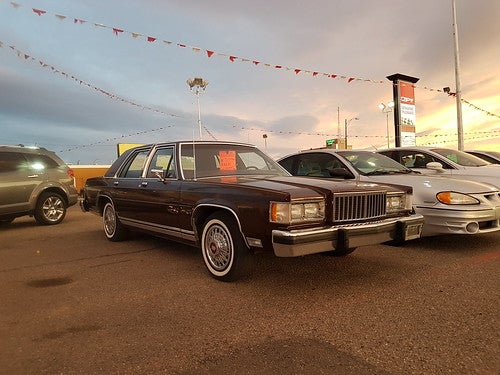
Used cars at dealership with cloudy sky overhead

Buying Used at a Dealership vs. Private Seller

When buying a used car, you'll usually have two options: buying from a private seller or buying from a car dealership. A dealership group like Rydell Cars sells both used and new cars and operates under a defined set of rules and regulations. A private seller, on the other hand, is someone who sells their used vehicle outside of official channels. Here's a look at the differences between buying a car from a car dealership and buying a car from a private seller. more Cost Image via Flickr by dave_7 Purchasing a car through a private seller is often cheaper than buying from a car dealership. This is because car dealerships will often have cost margins (e.g. wages and rent) to cover, so they might increase the price of a vehicle slightly to compensate for this. But, the quality and professionalism of the customer service at a car dealership can make this cost worth it. When you shop at a car dealer, you are treated with respect, as they want to keep you as a lifelong client. Private sellers have no such concern. They want your money and after they get it, you likely will not ever hear from them again. Warranty While it's true that purchasing through a car dealership can be more expensive, cars from a dealership are less likely to break down soon after the date of purchase, and if they do, the repairs are usually covered by a statutory warranty. Also, car dealerships are responsible for resolving any encumbrances from the vehicle before their sale. This means you don't have to worry about your vehicle being repossessed due to unpaid debt you don't owe. A private seller, on the other hand, won't be including a warranty with your purchase, which means any repairs that arise are going to be your responsibility. This makes it very important to have the vehicle inspected by a mechanic you trust before the sale to make sure there was nothing accidentally or intentionally left out by the seller. Mechanical Condition Vehicle condition is a defining difference between private sellers and car dealerships. Buying a used car from a dealer means you can ensure that you are purchasing a high-quality vehicle. Most dealerships offer used vehicles that have been inspected, refurbished, and certified. Buying privately can be riskier because you are buying a car as-is. It's difficult to know what you are getting yourself into, mechanically speaking, without inspection or detailed accident history. Even if you do get the vehicle inspected by a third-party mechanic, you could end up paying a hefty amount in repairs if something goes wrong later on. Beyond the vehicle's condition, you should also check to see if the car is listed as stolen before you hand over the cash. Financing Options If you choose to buy a used car from a private seller, you don't have any options other than paying in cash upfront and in full. It often takes time to save up enough to buy a car, even a used one. And unless you have a large amount of money on hand, you will probably need to get car loan financing to buy one. It can also be difficult to get financing through a financial institution, such as a bank and credit union, for a pre-owned vehicle. Many financial institutions won't finance used cars through a private seller, as private sellers do not have a reputation to uphold and they may not be totally truthful or accurate about the condition of their cars. This is crucial because if you finance a car with detrimental problems, such as a faulty engine, you may abandon the auto loan — meaning the bank gets nothing but a vehicle that can't be driven. Dealerships, however, have a range of payment options available to you, including in-house leasing and financing. Car dealers also offer low down payment cars with a wide variety of financing plans that private sellers are unable to offer. As a "buy here, pay here" dealership, this financial flexibility comes in handy for individuals who can't afford to pay for a car all at once. This means that you will have the opportunity to improve your bank's credit score after making timely payments. Vehicle Selection When you buy from a dealership, you will have a much wider selection of used vehicles from which to choose. Whether you are in the market for a used SUV, sedan, hatchback, or minivan, a car dealership will likely have the vehicle you want. You can find vehicles from all sorts of makes and models equipped with everything from navigation to leather upholstery to heated seats. Convenience The extra research that goes into purchasing a vehicle from a private seller can lead you to purchase from a car dealership. A car dealership is a more convenient choice in some ways, as they provide the vehicle history upfront and ensure you are purchasing a vehicle in good working order. On the other hand, private sellers may not provide all the vehicle information you need to make a wise decision. This requires you to spend a lot of time and effort on research. Car dealerships handle all the necessary documents for you when you purchase one of their cars. They know how to correctly handle all the title and car registration transfers, so all you need to do is sign them. When you buy a car from a private seller, however, you are both responsible for correctly completing all the associated paperwork. This typically requires that you make at least one trip to your department of motor vehicles or local tag office. Buy a Used Car at Our Used Dealership in Grand Forks If you are looking for a used car dealership in Grand Forks, North Dakota, look no further than Rydell Outlet Center. Our team will be more than happy to help you find a used car that matches your lifestyle and personality. We have hundreds of used cars in our inventory that are bound to catch your eye. Contact us by phone at 1-701-757-6140 or through our website, or come and visit us at our convenient location in Grand Forks, North Dakota.

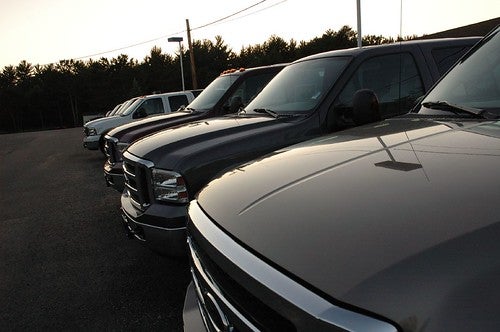
Row of SUVs on used car lot

What to Look for When Buying a Used Car

Buying a used car is an excellent way to get a high-quality car, truck, or SUV at an affordable price. When shopping for a used car, it's important to understand how to look through the many available options in order to identify the best match. If you're in the market for a used car, these tips will help you to find the right car at the right price and get you behind the wheel of a car you love. more Create a List of Wants and Needs Image via flickr by Daily Invention The first step in any search for a car is narrowing down the potential options based on what you're looking for in a vehicle. For the best results, however, you should do more than simply create a list of things you care about. Instead, further break that list down into features and amenities that you absolutely have to have versus those you would like but may be willing to compromise on. By creating these lists in advance and then using them to help decide between similar options, you can make an honest assessment between two or more good choices. Often the final decision between cars will come down to small details, so the more thorough you are with your list of wants and needs, the more metrics you'll have to distinguish between alternatives. Consider Your Budget One of the most significant factors in any car search is your budget. Knowing how much you can afford to spend is a great way to quickly narrow the field to just vehicles that fit within your ideal spending levels. The great news when shopping for used cars is that you don't have to break the bank to find a car you'll love. Many fantastic used cars are available for less than $10,000. By choosing a used car, you can get a great deal on a vehicle that still has been tested and assessed by your dealership, so you have the peace of mind of knowing it's still in good condition and ready to provide you with many years of service for just a fraction of the cost of a new car. Find the Right Manufacturer When buying a car, the manufacturer is always important, but that is even more true when it comes to buying a used car. Because you're buying a vehicle that has already had miles put on it by its previous owner, it's important to make sure that you're buying a car made by a manufacturer that is renowned for producing vehicles that age well and last for a long time. This ensures that you can get the maximum value out of your next used car. Top manufacturers to look for when buying a used vehicle include: Chevrolet Fiat Ford Kia By purchasing a used car made by a reliable manufacturer, you know that you are getting a vehicle that is built to last and is capable of providing you with many happy years behind the wheel. A Reliable Retailer is Essential Just as important as buying a car made by a manufacturer you trust is buying from a car retailer you can rely on, such as the professionals at Rydell Outlet Center. When you buy from a trusted dealer with an established track record of satisfied customers, you know that the car you purchase has been assessed and honestly marketed so that you know exactly what you're getting. Give It a Visual Inspection Whether you're visiting a car lot or making a purchase via delivery from an online retailer, when you first see your car in-person you should take time to give it a thorough inspection. Check out both the exterior and the interior, looking not only for any possible aesthetic flaws like dents or stains but also for any indication of damage. If you discover any issues which are not accounted for, speak with your dealer so that they can be factored into the final sale price should you still be interested in buying the car. Take It for a Test Drive How a car looks and the amenities it offers are important, but the primary element of owning it you are most likely to notice is how it feels to get behind the wheel. Taking a test drive is the most effective way to confirm that a car that is standing out to you is a good fit and the right choice. If you like the way it feels to drive the prospective car, you may be ready to close the deal and drive off with your new vehicle. Ask To See the Car's Specs and Records The final step in checking out a potential car is to look over any records that are available. Speak with your retailer and ask about any service records they have on file for your potential car. You may also want to ask about the make and model's specs to learn about important metrics like expected fuel efficiency. The more information you have about your used car the better positioned you are to make a good decision, and the more likely you are to be happy with the car you buy. Buy Used Cars in Grand Forks at Rydell Outlet If you're looking to buy a used car, then Rydell Outlet Center is here for you. Our extensive selection of used cars ensures there is an excellent vehicle for you just waiting for you to find it. If you're ready to make a purchase, contact us online or by phone at 701-757-6140, and we'll help you get behind the wheel of your perfect match.

Contact Us

Fill out this form below and we'll contact you shortly
*Required Fields